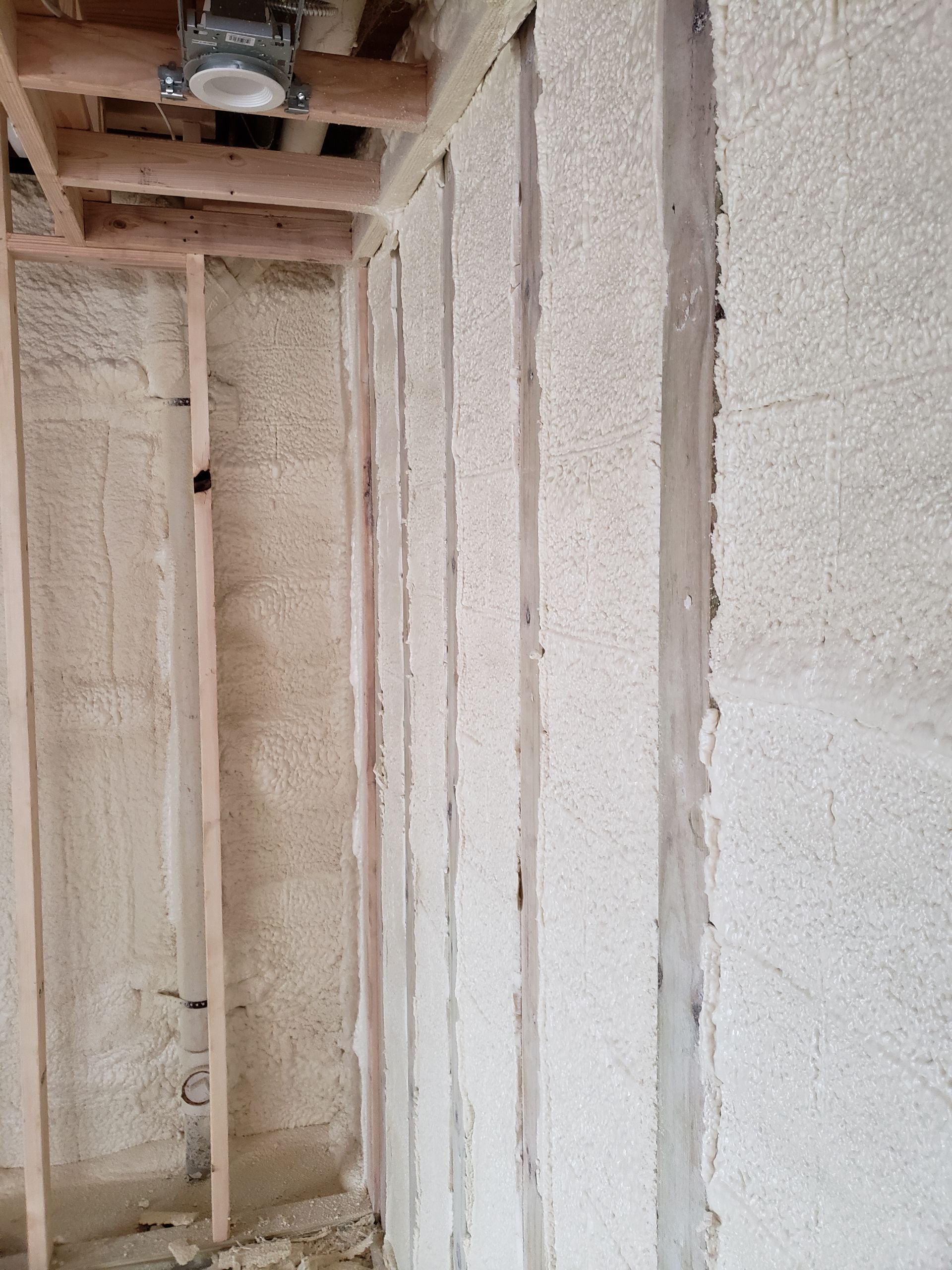
What Actually Separates Them
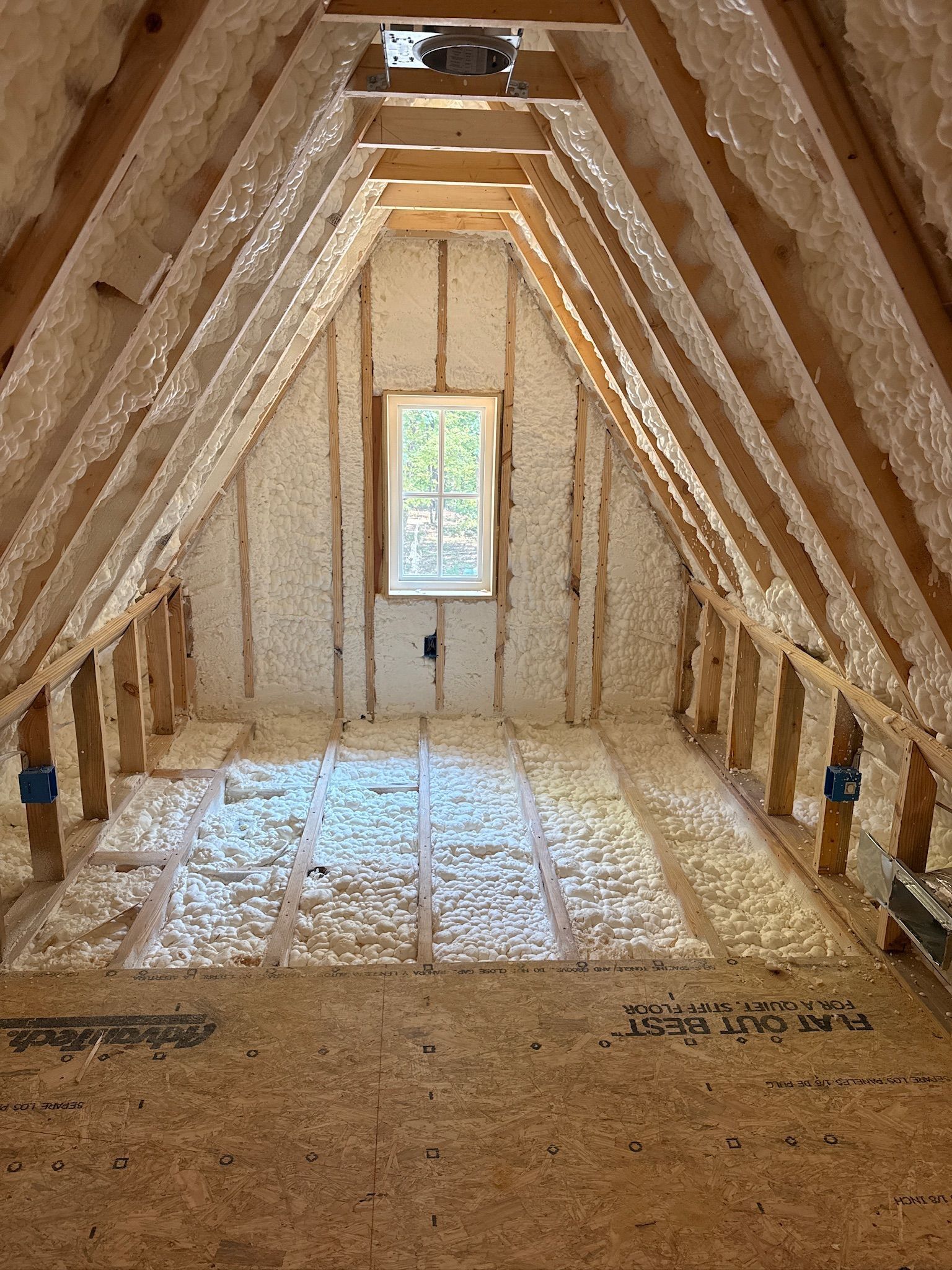
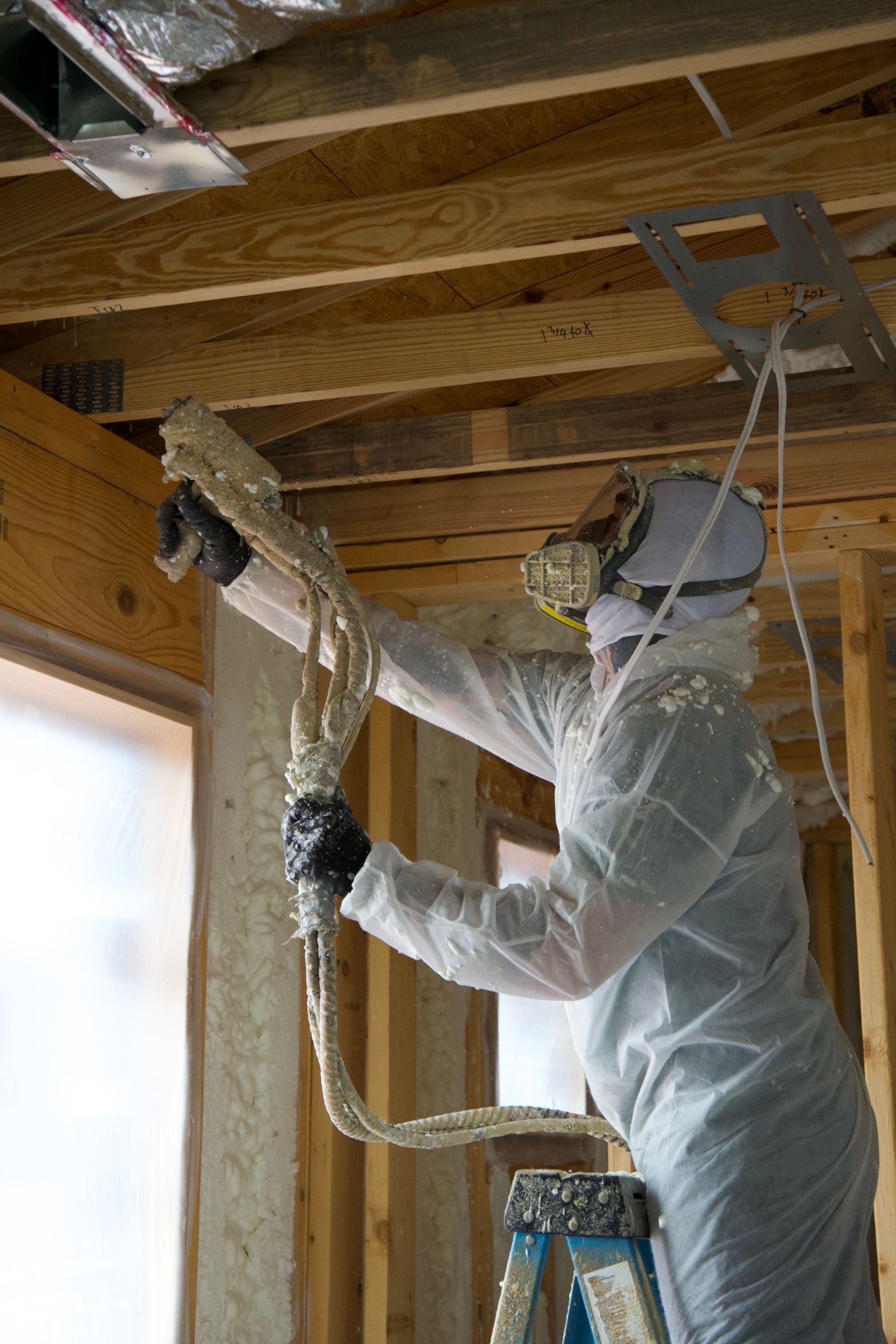
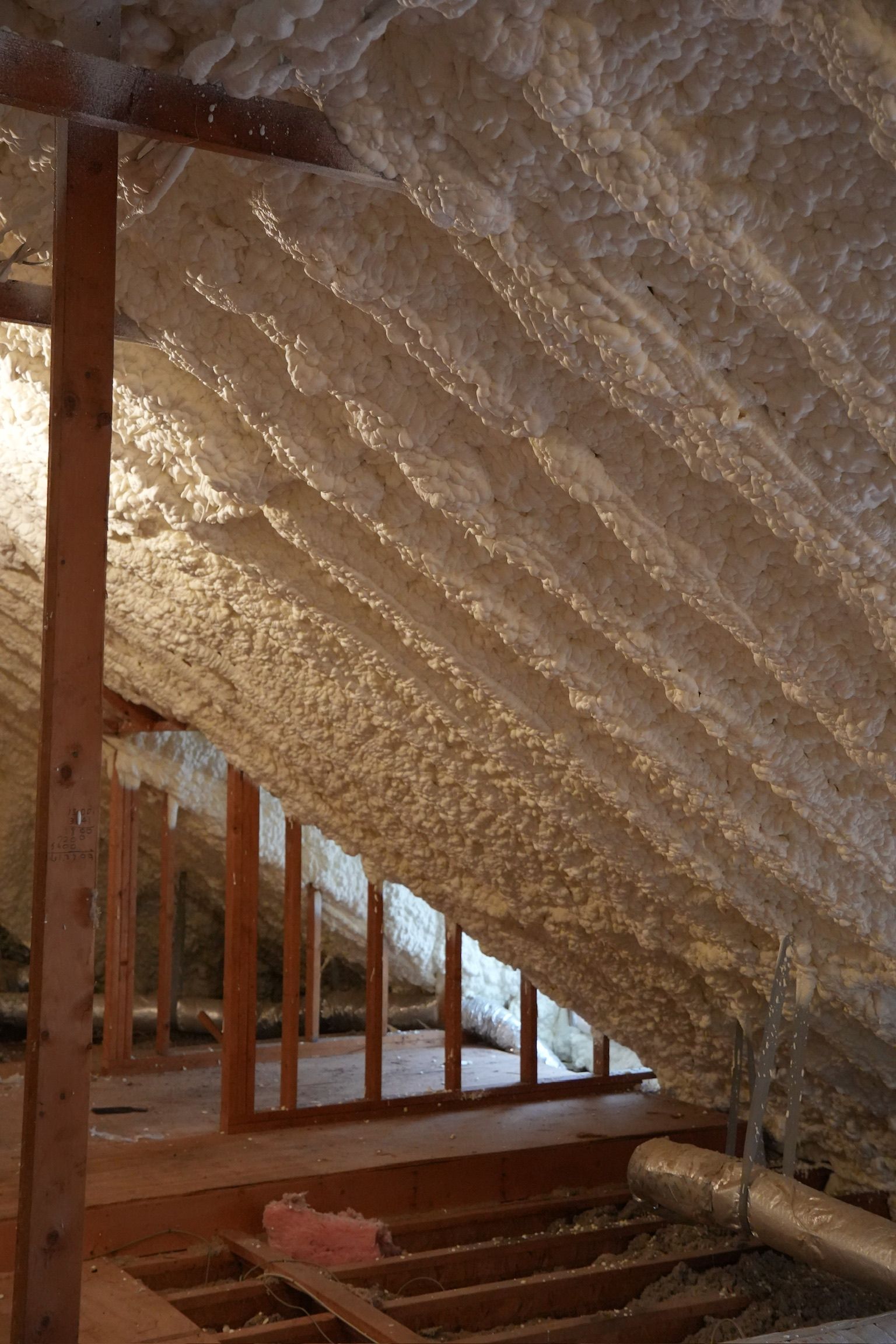
Open-cell foam expands roughly 100 times its liquid volume, filling every gap in a wall or roof cavity with a soft, flexible foam you can press a thumb into. Closed-cell cures into a dense, rigid material — each tiny cell is sealed, which is what gives it its moisture resistance and structural strength. Both are applied by the same crew with the same rig, and both create the airtight envelope that fiberglass and cellulose simply cannot.
Feel & density: Open-cell is soft, spongy, and flexible. Closed-cell is dense and rigid — it adds structural strength.
Air sealing: Excellent from both.
Moisture behavior: Open-cell is vapor-open — it breathes with the building and reveals roof leaks instead of hiding them. Closed-cell is moisture-resistant — the go-to for crawl spaces, rim joists, and metal buildings.
Sound dampening: Open-cell is best in class — great for interior walls and media rooms. Closed-cell is good, but open-cell wins here.
Where it shines: Open-cell for attic roof decks, interior walls, and sound control. Closed-cell for crawl spaces, metal buildings, rim joists, and condensation control.
Which Foam for Which Job
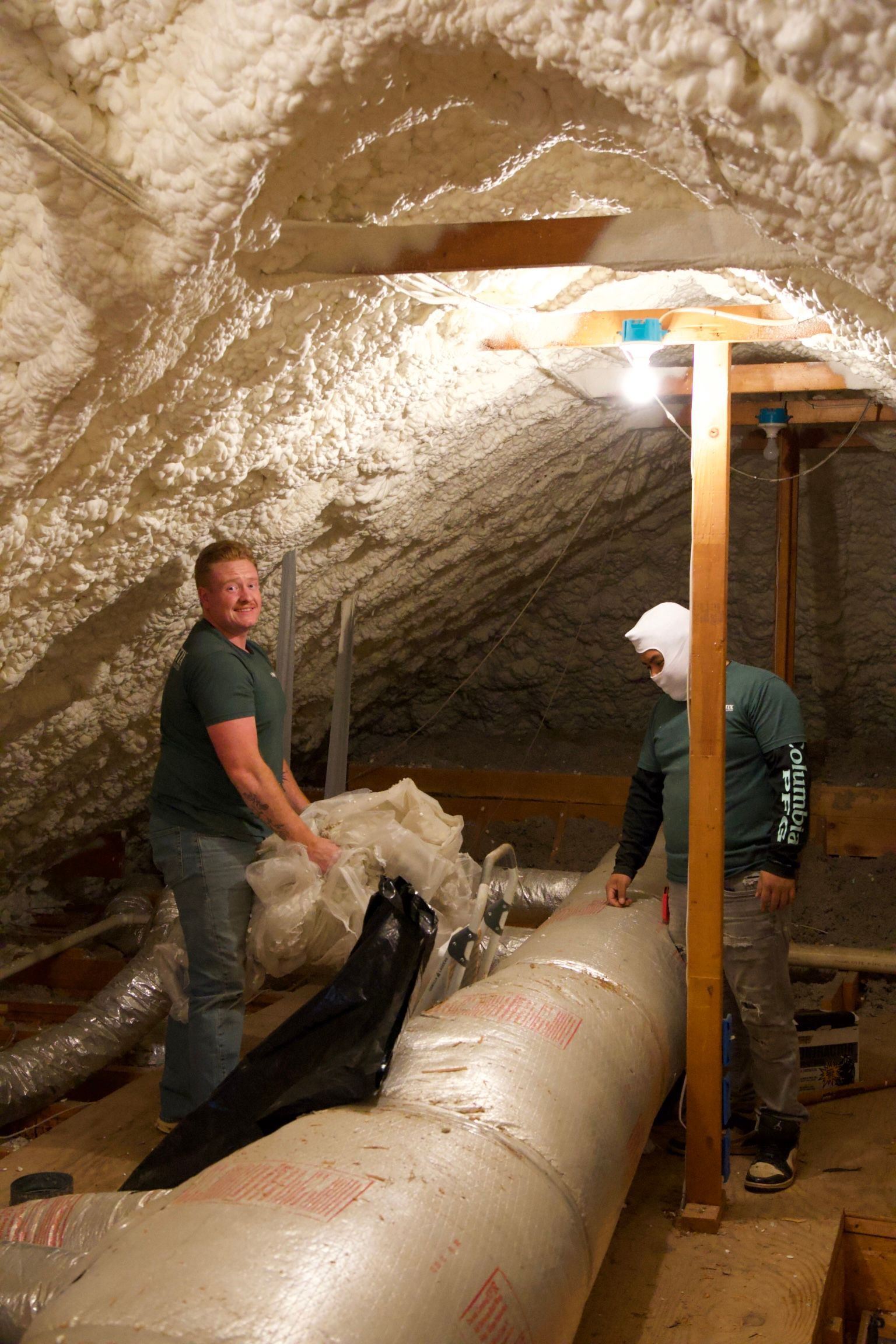
Attics & Roof Decks — Open-cell. It seals the roofline, brings the attic into the conditioned space, and takes real load off your HVAC in our humid summers.
Spray foam in Chattanooga
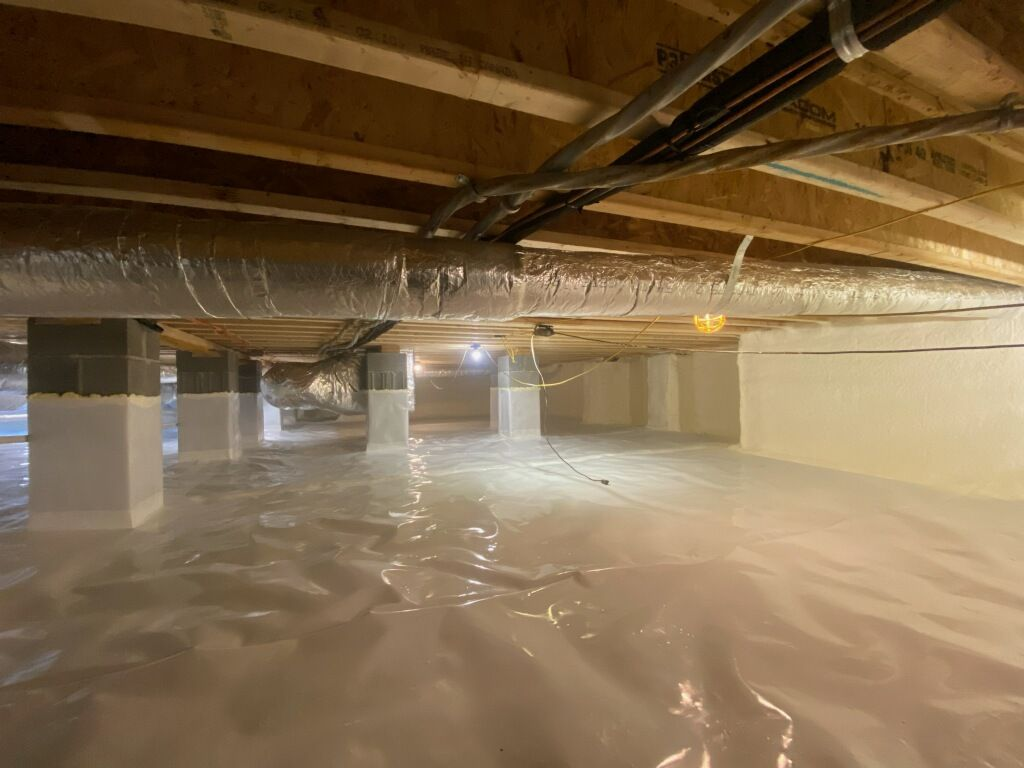
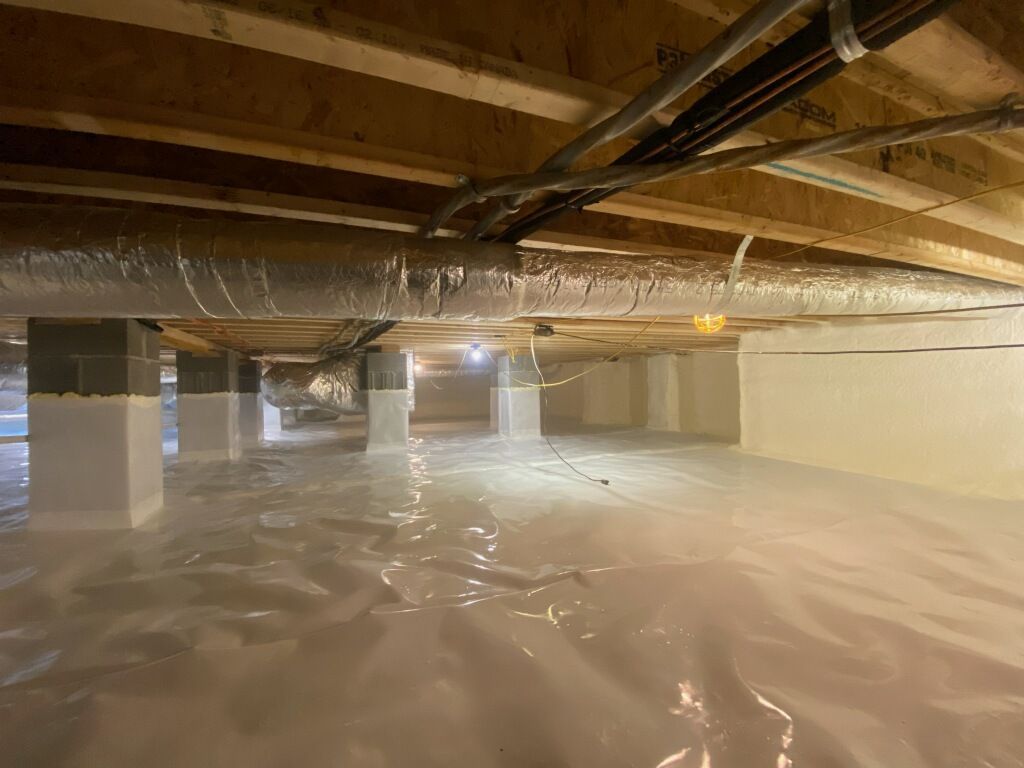
Crawl Spaces — Closed-cell plus full encapsulation. Our approach seals the crawl space so completely that no dehumidifier is required.
Crawl space encapsulation
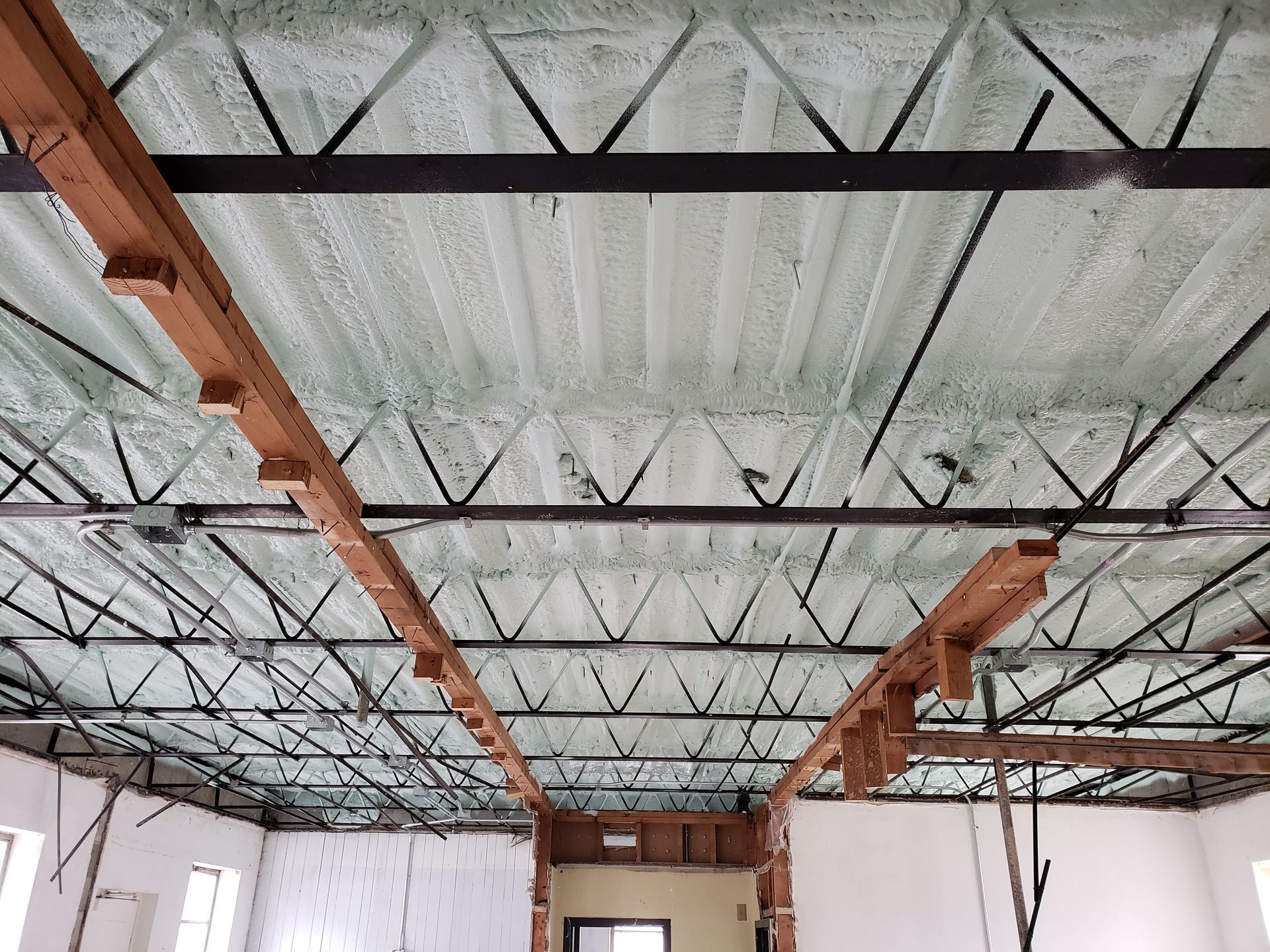
Metal & Pole Buildings — Closed-cell. It bonds to the panels, stiffens the structure, and stops the interior condensation metal skins are famous for.
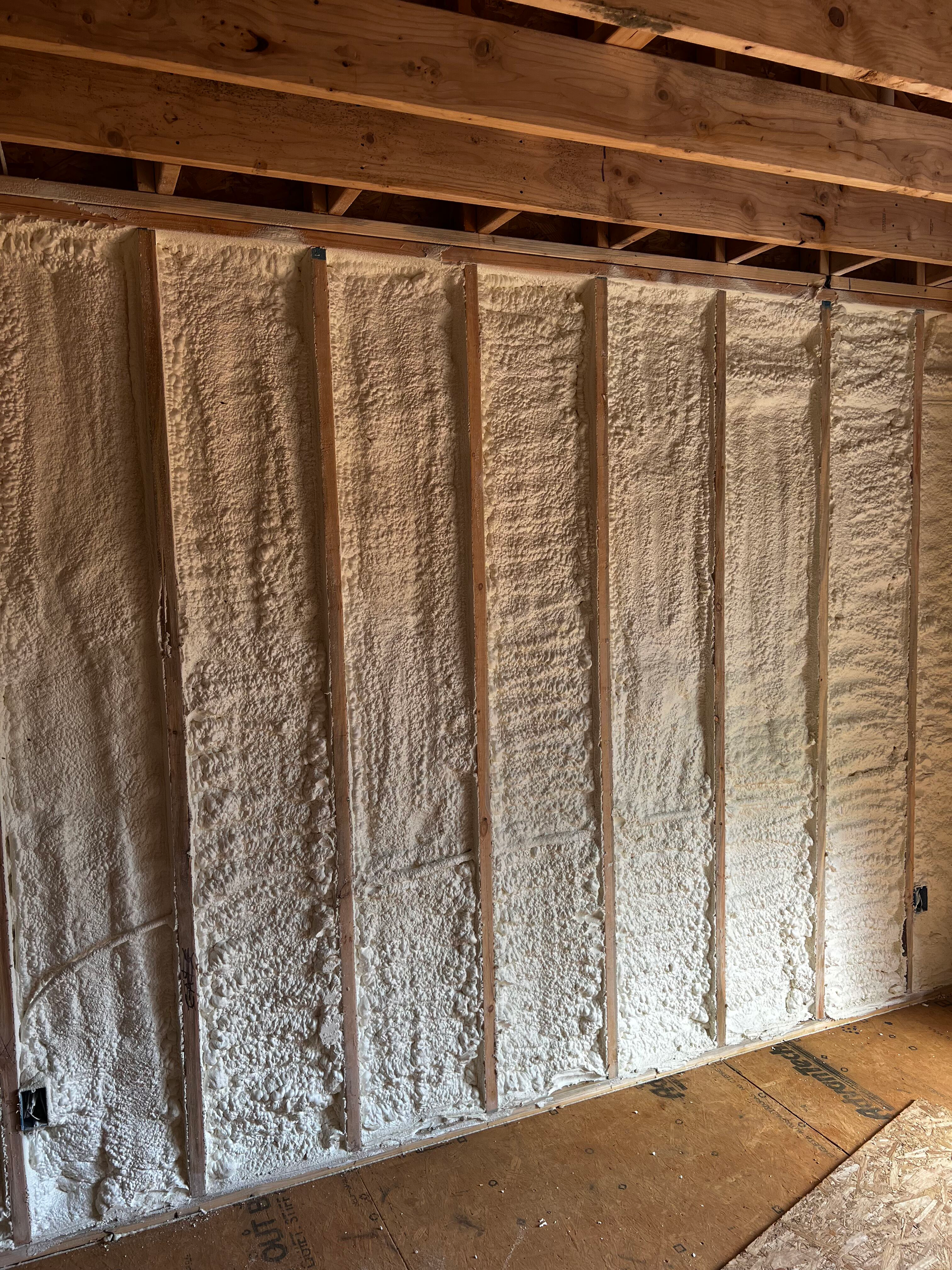
Interior Walls & Sound — Open-cell. Softer foam absorbs more sound between rooms and floors.
Rim Joists & Band Boards — Closed-cell. A thin lift seals and insulates the leakiest framing in most houses.
New Construction — Often both. Open-cell in the envelope, closed-cell where moisture or rigidity matters.
Full-service insulation contractor
Common Questions
Is closed-cell spray foam always the better choice?
No. Closed-cell is denser, more rigid, and more moisture-resistant, but that does not make it the right answer for every part of a building. Open-cell is often the smarter choice for attics and interior walls, where its flexibility, sound dampening, and coverage work in your favor. The right foam depends on the assembly, not the marketing.
Can you use both foams in the same house?
Yes, and we do it all the time. A common setup in the Chattanooga area is open-cell at the attic roof deck with closed-cell in the crawl space and rim joists. You get each material where it performs best.
Which foam is right for a metal building?
Closed-cell, almost every time. It bonds to the metal panels, adds rigidity, controls condensation on the inside of the skin, and stands up to the temperature swings metal buildings see. It is one of the most common projects our crews handle.
Will open-cell foam cause moisture problems in our humid climate?
Not when it is applied correctly to the right assembly. Open-cell is vapor-open, which means it breathes with the building and will actually reveal a roof leak instead of hiding it. In moisture-heavy areas like crawl spaces, we use closed-cell and full encapsulation instead — sealed well enough that no dehumidifier is required.
How do I know which one my project needs?
Call
(423) 710-2529 or
request a quote. We have insulated homes, metal buildings, and commercial spaces around Chattanooga for over 17 years, and we will tell you straight which foam your project actually needs — sometimes it is both, and sometimes it is only one.
Not Sure Which One You Need?
Veteran-owned, Chattanooga-based, and insulating this valley for over 17 years. We will look at your project and tell you straight which foam it actually calls for.
Request a quote or call
(423) 710-2529.