cIf your floors are cold in winter, your house smells musty in summer, or your energy bills keep creeping up, the problem might be hiding right under your feet.
Here in the Chattanooga Valley, our hot, humid summers are brutal on crawl spaces. And if yours is the old-school "vented" type with a thin sheet of plastic on the dirt, it's almost certainly costing you comfort, money, and air quality. Here's what's happening down there — and why encapsulation, done right, is one of the smartest investments you can make in your home.
Why Chattanooga crawl spaces stay wet
A traditional vented crawl space was designed to "let the house breathe." The problem: in our climate, those vents let humid outside air in. When warm, moist air hits the cooler surfaces under your home, it condenses — like a glass of sweet tea sweating on the porch. That moisture feeds mold, rots framing, draws in pests, and soaks any insulation stapled to your floor joists.
It gets worse thanks to the
stack effect: air in your home rises and escapes up high, which pulls replacement air up from the crawl space into your living area. A big share of the air you breathe on your first floor started in the crawl space. Musty crawl space = musty, unhealthy home.
What crawl space encapsulation actually is
Encapsulation flips the old approach on its head. Instead of venting moisture out, you
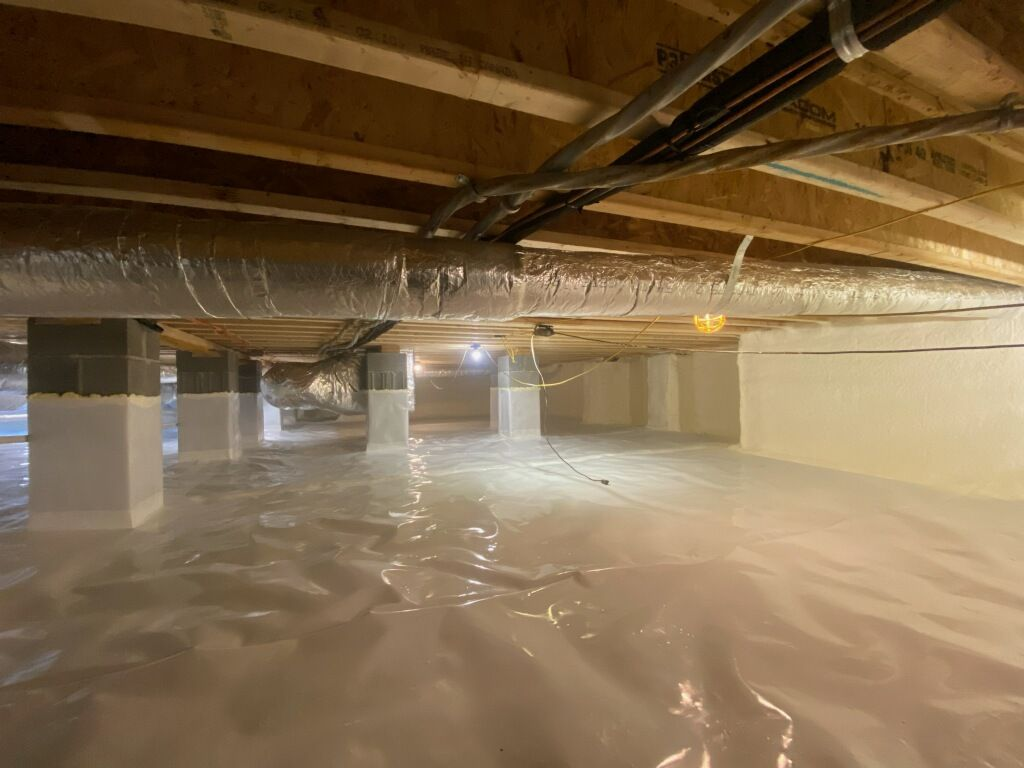
seal the crawl space off from the outside and bring it inside your home's conditioned envelope. Done correctly, it stays dry, clean, and stable year-round — no sweating surfaces, no mold food. "Done correctly" is the whole ballgame, and it's where a lot of jobs go wrong.
How Foametix does it the right way
A cheap "encapsulation" is a thin 6-mil sheet loosely laid on the dirt. That's not encapsulation — that's a tarp. Our approach:
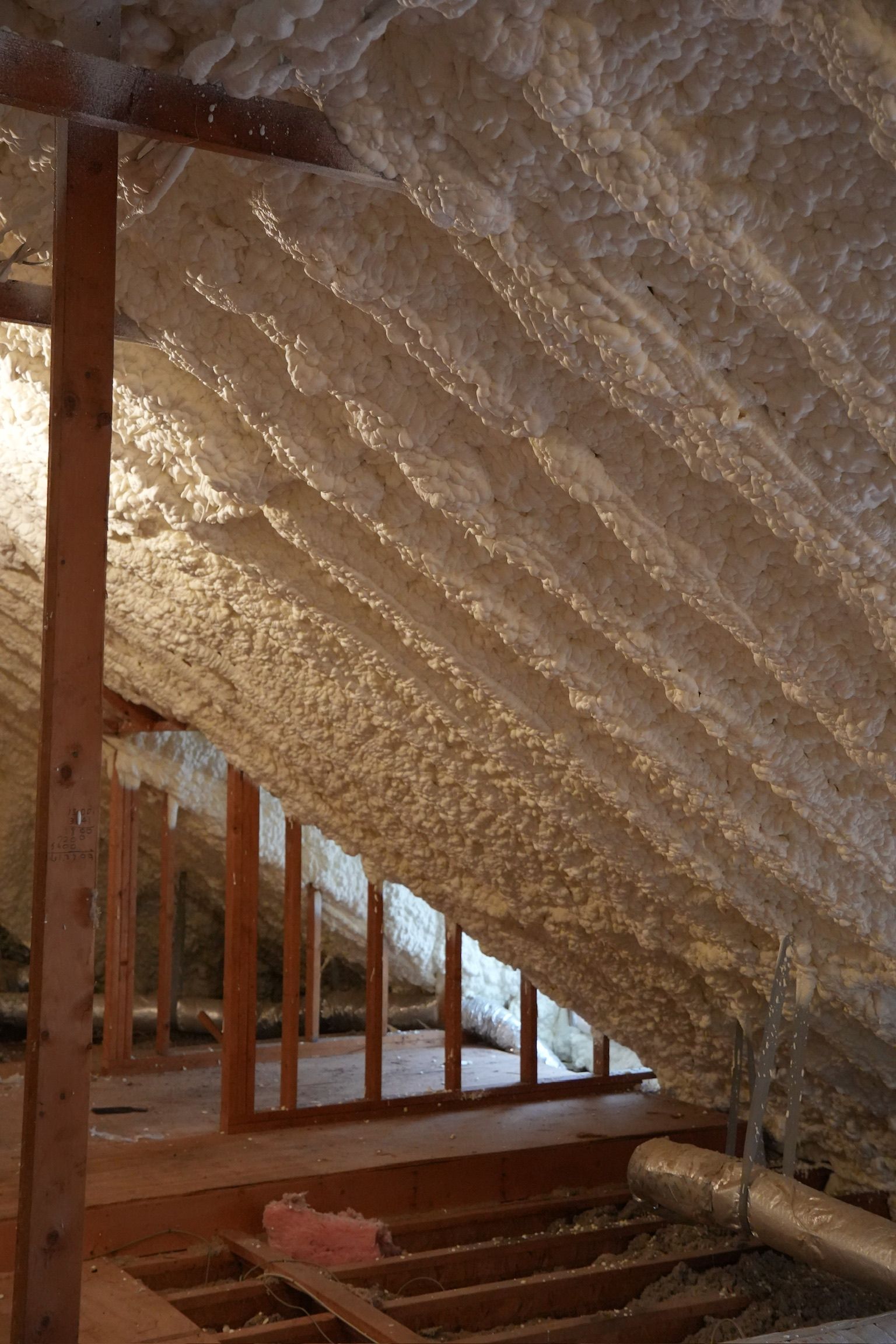
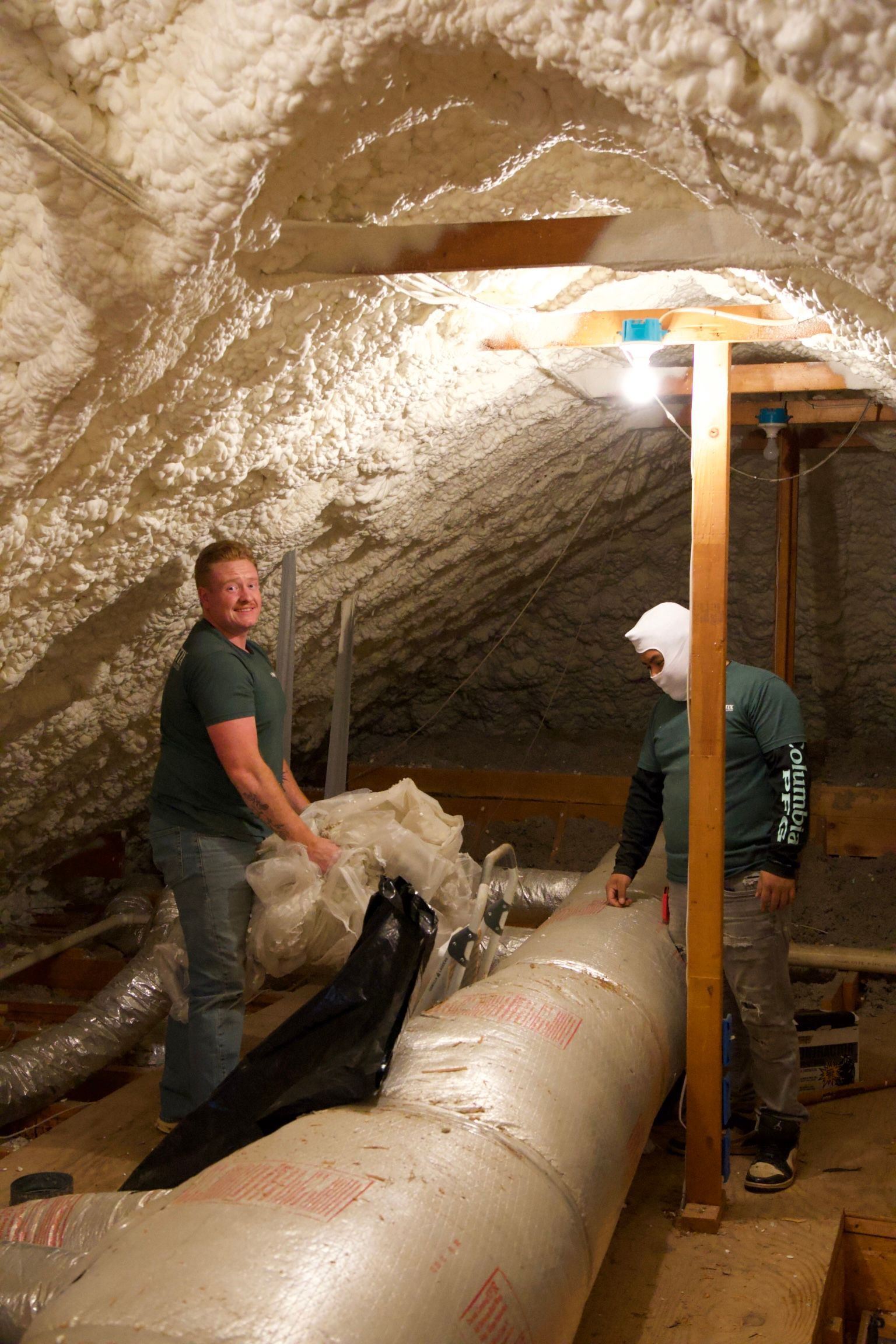
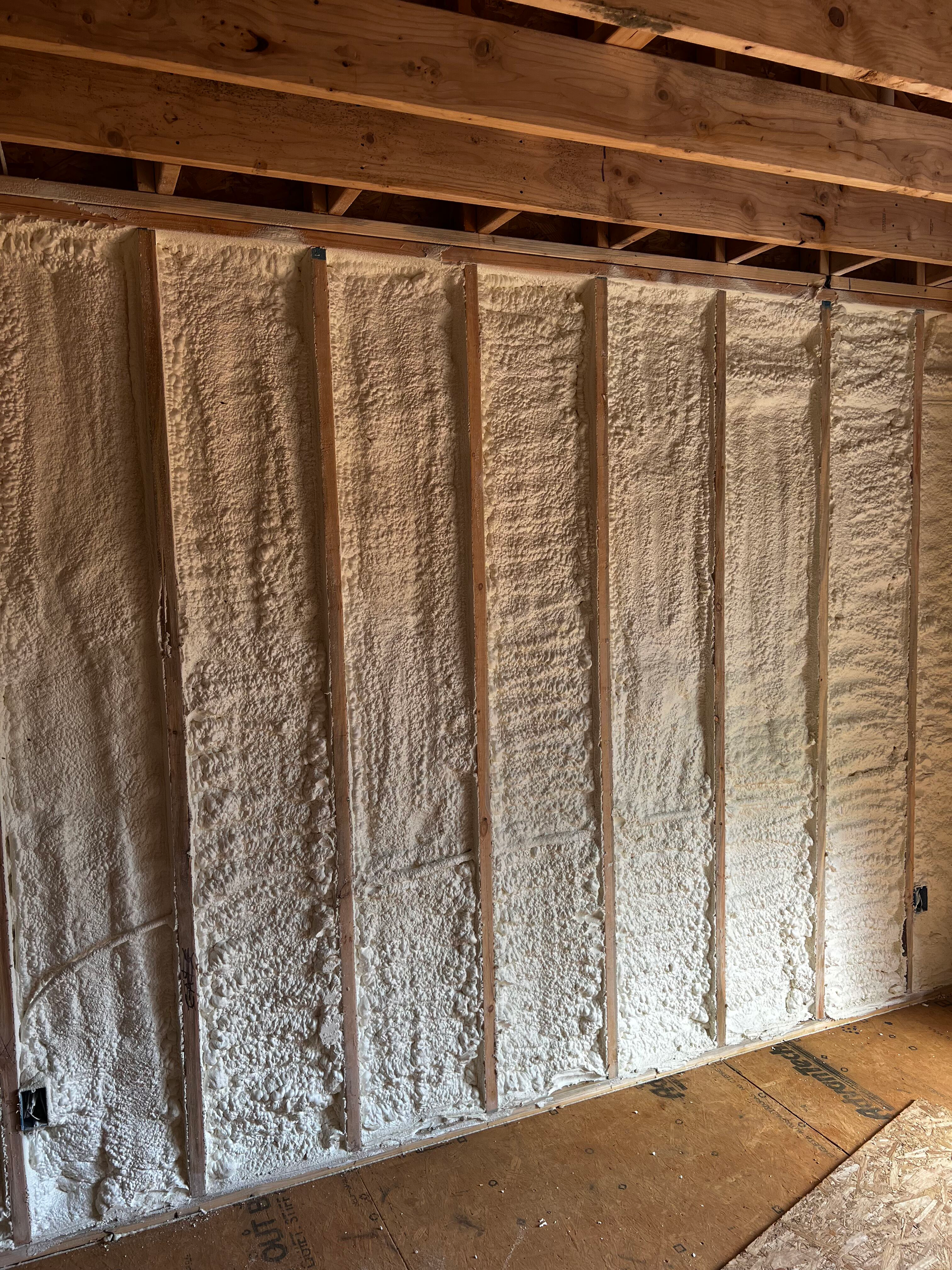
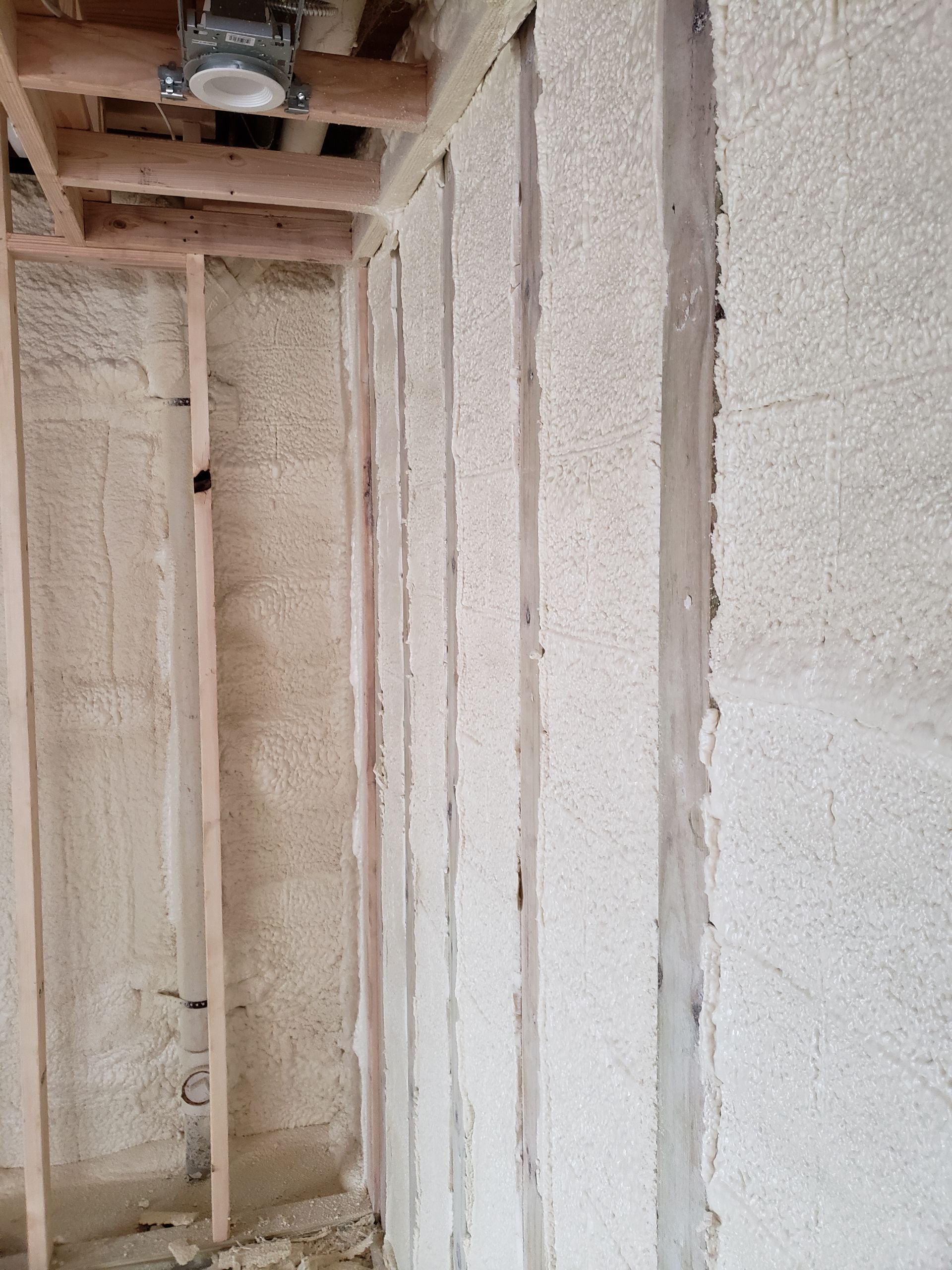
- Closed-cell spray foam on the walls and rim joists — seals and insulates the perimeter in one step, stopping air and moisture at the foundation instead of leaving gaps.
- A heavy 15–20 mil reinforced vapor barrier on the floor — not flimsy 6-mil — overlapped and sealed into the wall foam so any groundwater is directed back into the soil, not up into your home.
- We leave the subfloor uninsulated on purpose, because the crawl space is now a conditioned part of the house.
- No dehumidifier required. A properly sealed crawl space stays dry on its own. If someone's selling you encapsulation plus a dehumidifier you have to run forever, the seal probably isn't doing its job.
That's the difference between a crawl space that's actually fixed and one that just looks fixed for a year.
What you actually get
- Lower energy bills — you stop conditioning a damp, leaky hole and stop losing air through the floor.
- Warmer floors and a more comfortable home, especially in winter.
- Healthier air — since crawl space air ends up upstairs, sealing it out means less mold, mustiness, and allergens.
- Protection for your home's structure — no wood rot, no sagging floors, no pest highways.
- Higher home value — buyers and inspectors love a clean, encapsulated crawl space.
Signs your crawl space needs attention
- A musty or earthy smell, especially in summer
- Cold floors in winter
- Energy bills higher than they should be
- Bouncy or sagging floors
- Visible moisture, condensation, or mold on framing
- More bugs or rodents than you'd like
Why a bad job is worse than no job
Here's what most people don't hear: a botched encapsulation can trap moisture instead of stopping it — sealing dampness against your framing. That's why we don't cut corners on the foam, the barrier thickness, or sealing the perimeter. With 17 years of building-science experience and thousands of Chattanooga-area homes behind us, we do it once, the right way — no risk, no guessing.
Crawl space encapsulation FAQs
How much does crawl space encapsulation cost in Chattanooga? It depends on the size and condition of your crawl space, so we don't quote sight-unseen — every home is different, and a phone number would just be a guess. We come out, assess it, and give you a clear, line-item estimate for free.
Do I need a dehumidifier? If it's sealed properly, no. A correctly encapsulated crawl space stays dry on its own.
How long does it take? Most homes are done in a day or two, depending on size and condition.
Will it really lower my energy bills? Yes — you stop losing conditioned air through the floor and stop fighting moisture, making your whole HVAC system more efficient.
Get a free crawl space evaluation
If your crawl space is costing you comfort, money, or peace of mind, let's fix it the right way. Foametix has been Chattanooga's building-science crawl space experts for 17 years.
Schedule your free on-site evaluation — call (423) 710-2529 or request a quote online.