Smart homeowners choose spray foam—because no other insulation types come close. We offer a high-performing, effective, and safe solution. False information often confuses home owners, so, let's clear up the confusion.
Keep reading to learn why Foametix is the best choice for your home.
What Exactly is Spray Foam Insulation?
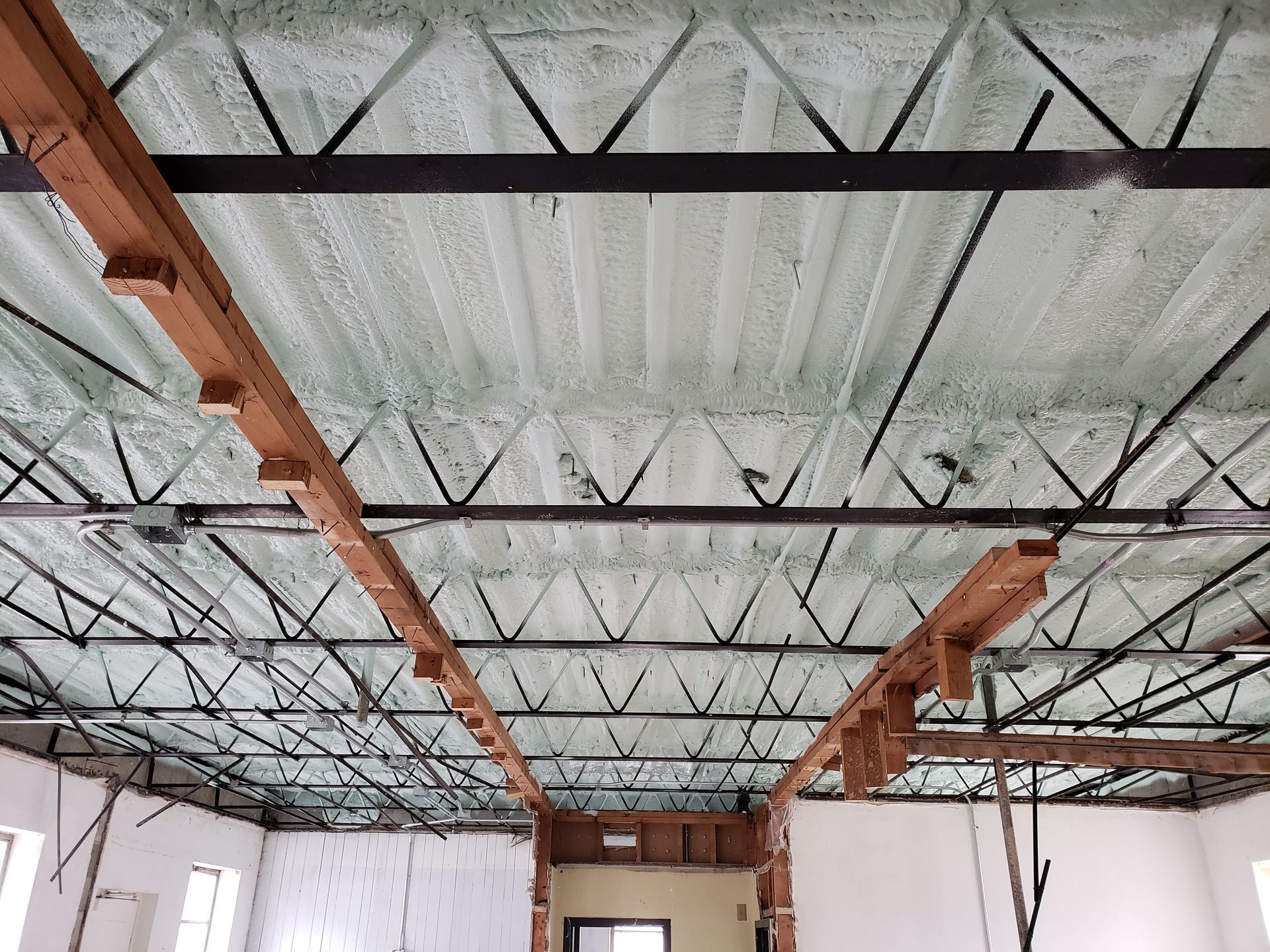
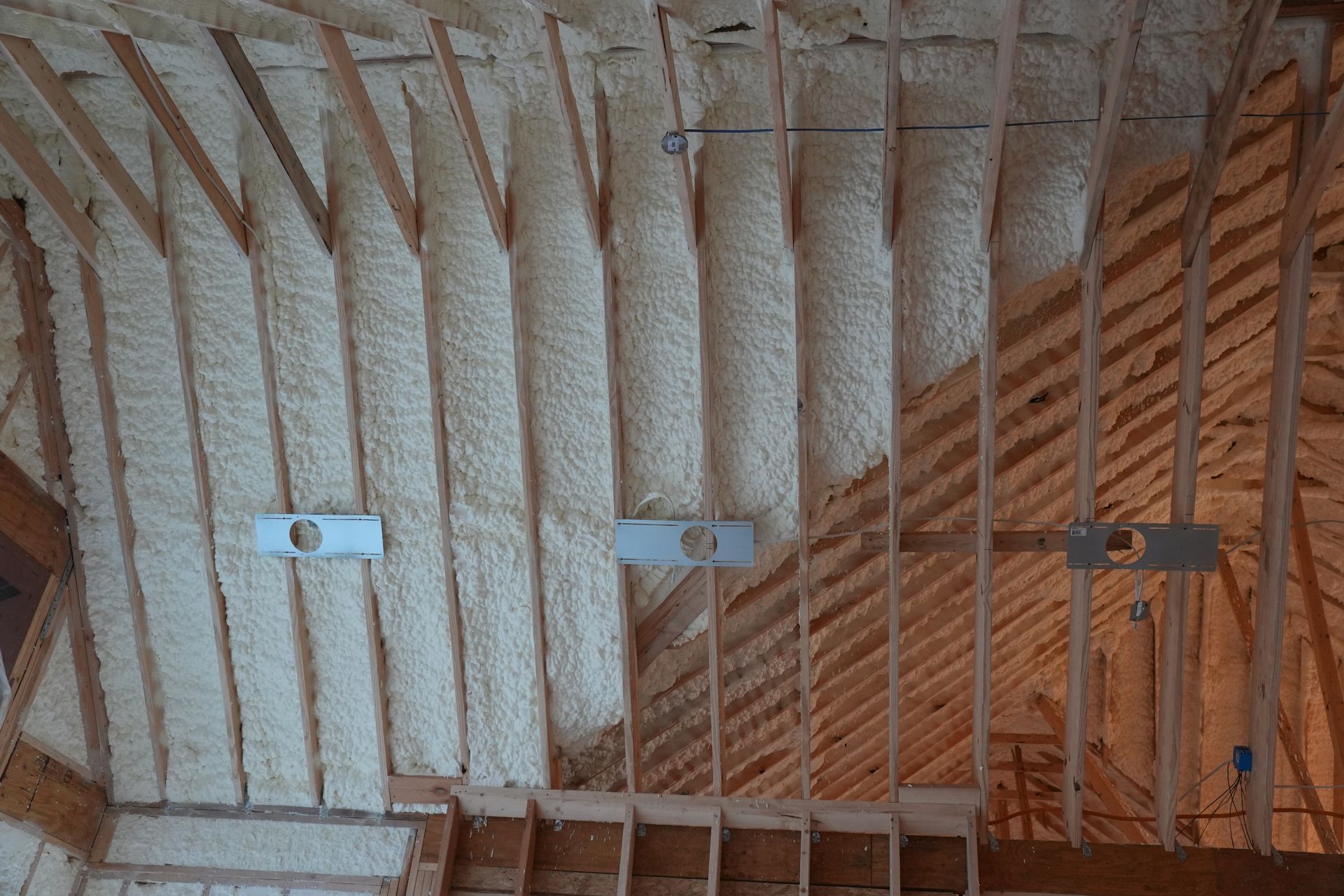
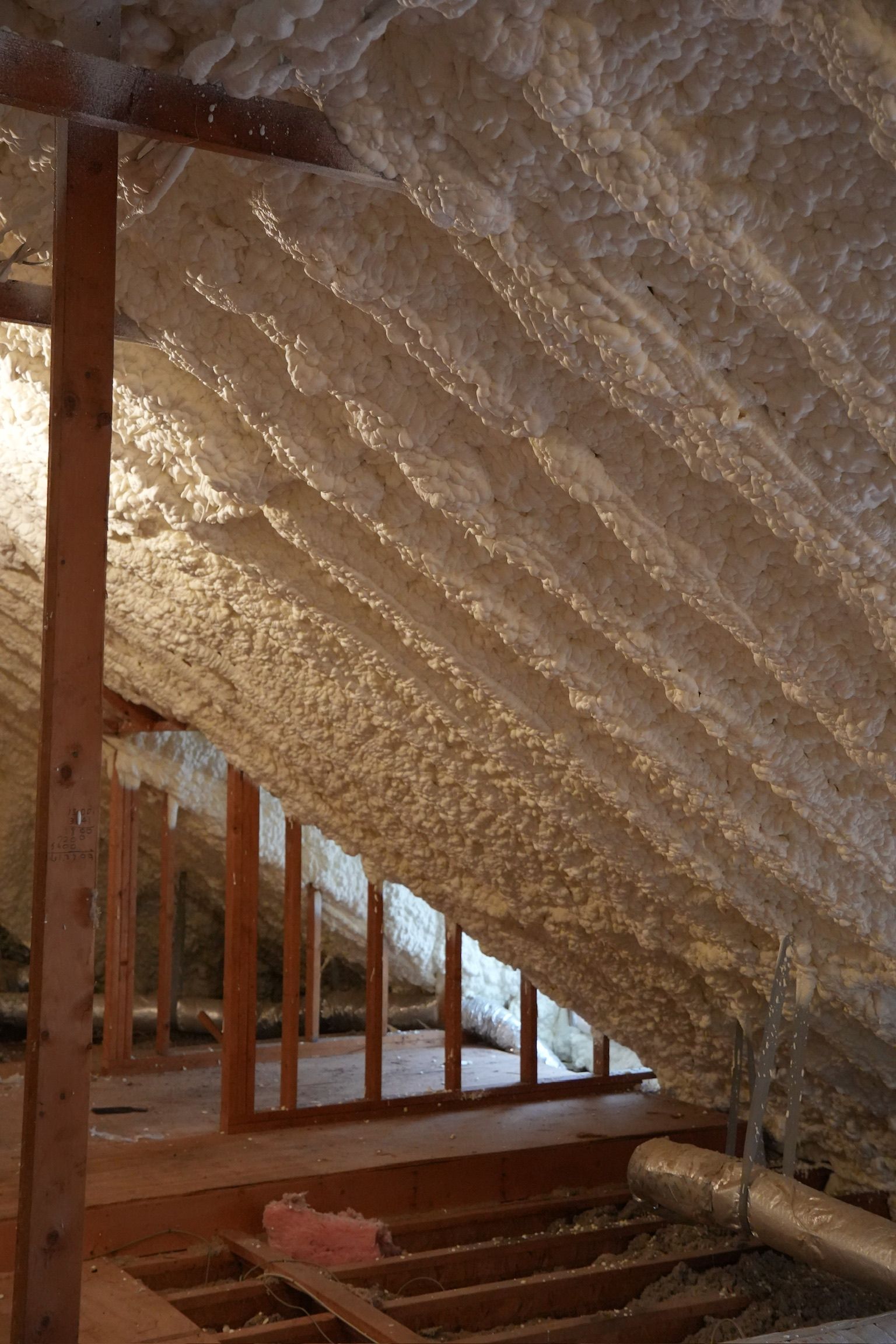
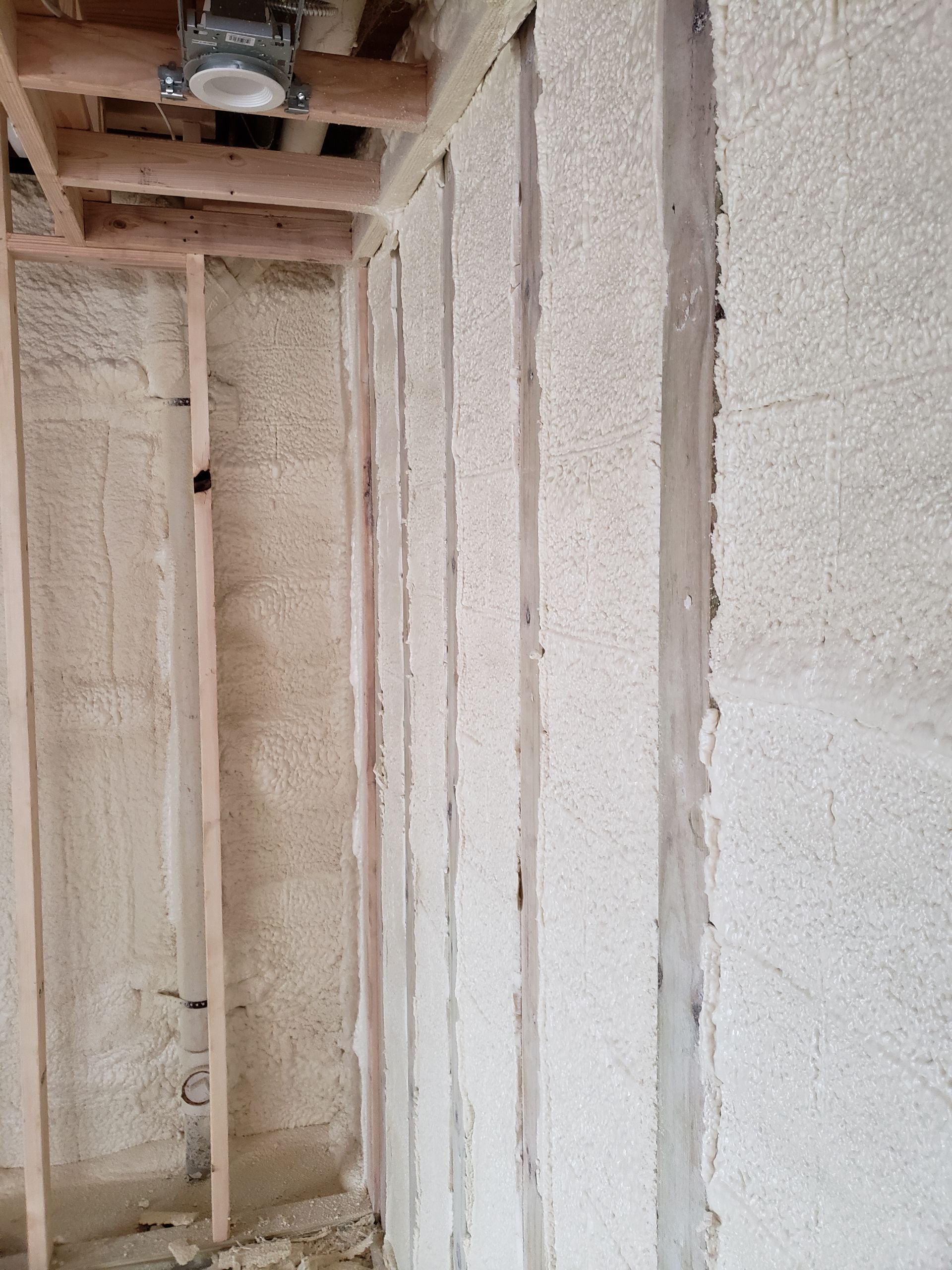
Spray foam insulation is a modern material made from polyurethane. It expands when it comes into contact with all surfaces, to fill every gap in your home's wall cavities, floors, and ceilings.
Our solution creates an airtight seal.
The airtight seal performs better and safer than other insulation methods like blown-in cellulose insulation. Our high-performance product increases your home's energy efficiency, structural strength, and indoor comfort.
Discover what truly sets us apart.
Top Misconceptions About Spray Foam Insulation:
Myth:
Spray foam products can cause health issues
Truth:
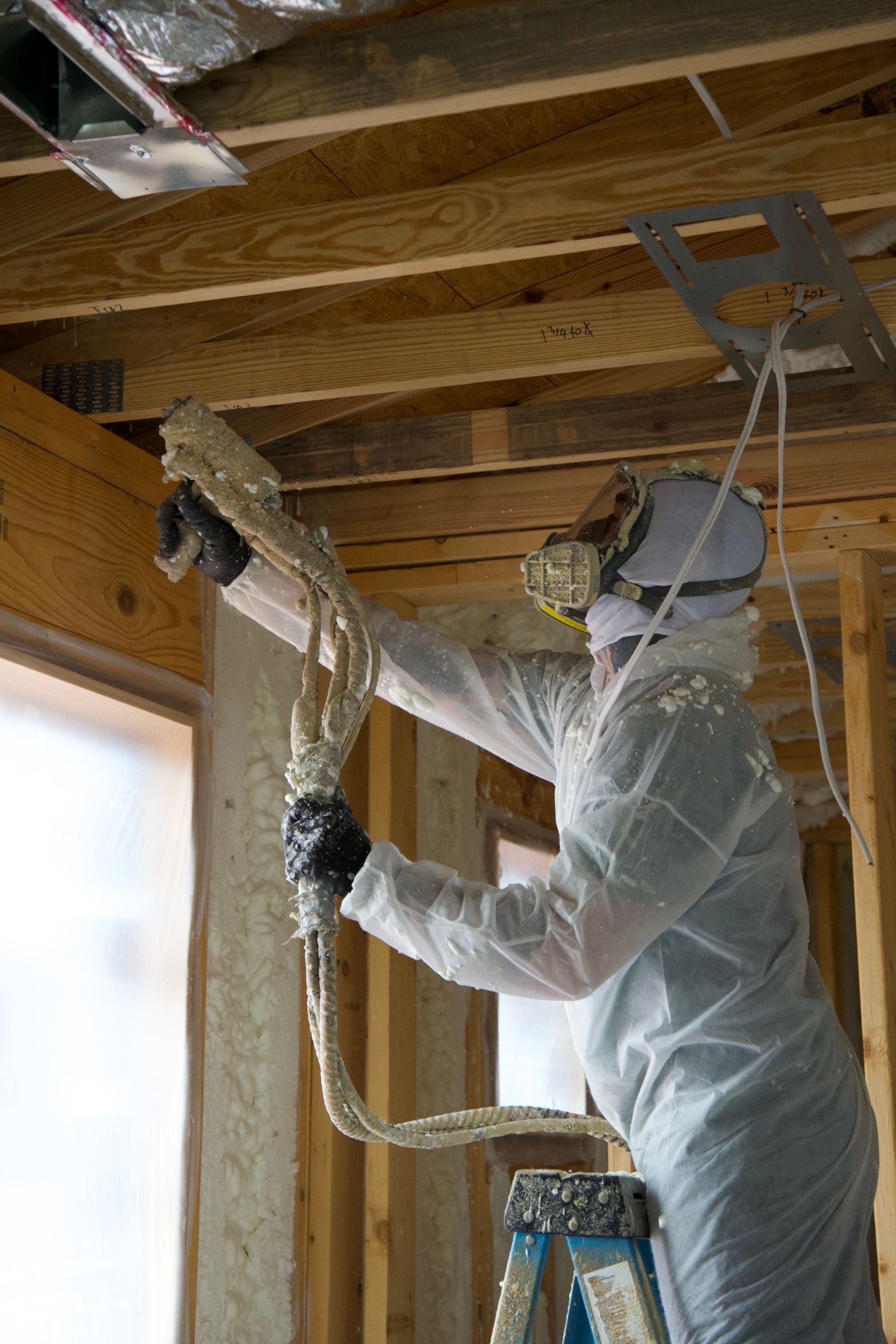
Professionally applied spray insulation, such as that provided by Foametix, is safe insulation. The EPA and CDC, confirmed that after proper curing, it is nontoxic. Concerns typically stem from DIY mishaps or inferior-quality products, neither of which you'll encounter with Foametix.
Myth: A House Can Be "Too Tight" or Needs to Breathe
Truth:
This is an outdated and misunderstood concept in building science. Homes do not need to "breathe" through walls or attic spaces. Homes need controlled ventilation—not air leaking through cracks because of poorly insulated spaces. Modern HVAC systems and good ventilation make a tightly sealed home, like one insulated with Foametix. This leads to healthier living, increased energy efficiency and a more efficient heating and cooling.
Control your indoor environment and stop letting the weather control it for you.
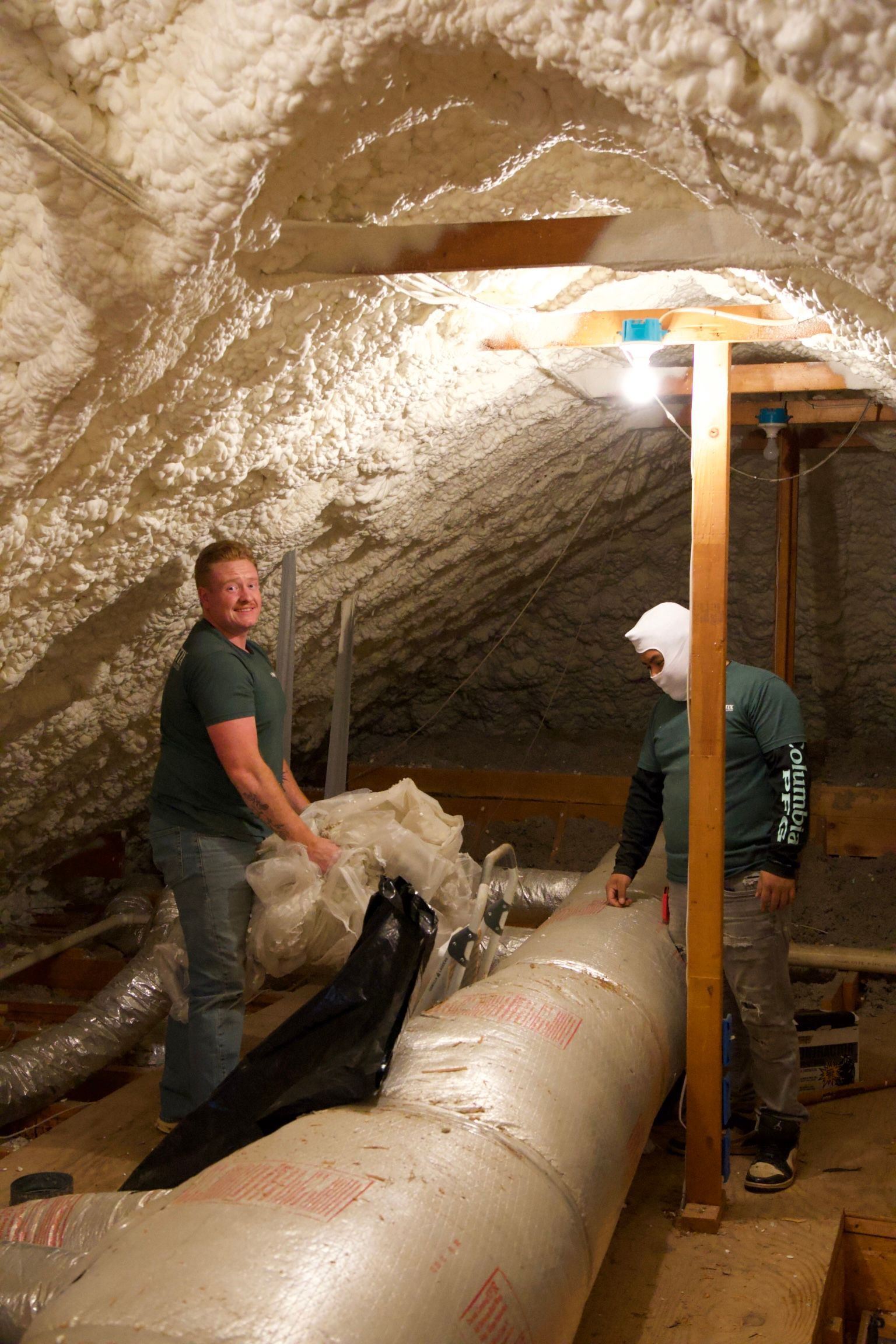
Learn more about our Attic Insulation Services.
Myth:
Spray Foam Insulation Damages Your Property
Truth:
Keep your property safe by hiring qualified professionals. This will strengthen your home, raise its value, and protect against moisture and pests.Damage typically occurs only from untrained installers or substandard products, both easily avoidable by choosing Foametix.
Myth:
Spray Foam Insulation Is Too Expensive
Truth:
Spray foam costs more per square foot than fiberglass batts at installation — that part is true. But fiberglass needs to be replaced every 15-20 years, doesn't stop air movement, and does nothing for moisture. Spray foam lasts the life of the structure and delivers energy savings that offset the upfront cost within 3-7 years for most Chattanooga homes. We've seen homeowners save $80-150/month on energy bills after a full attic and crawl space spray foam installation — do the math on that over 20 years versus replacing fiberglass batts twice.
Myth:
Open-Cell and Closed-Cell Foam Are Interchangeable
Truth:
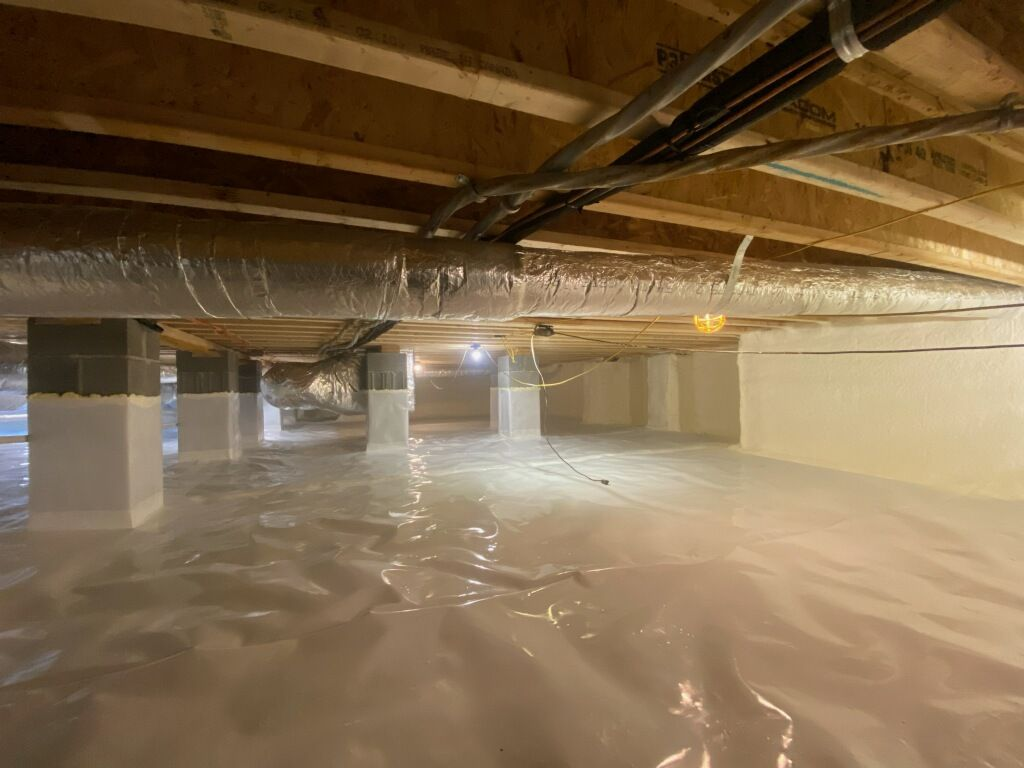
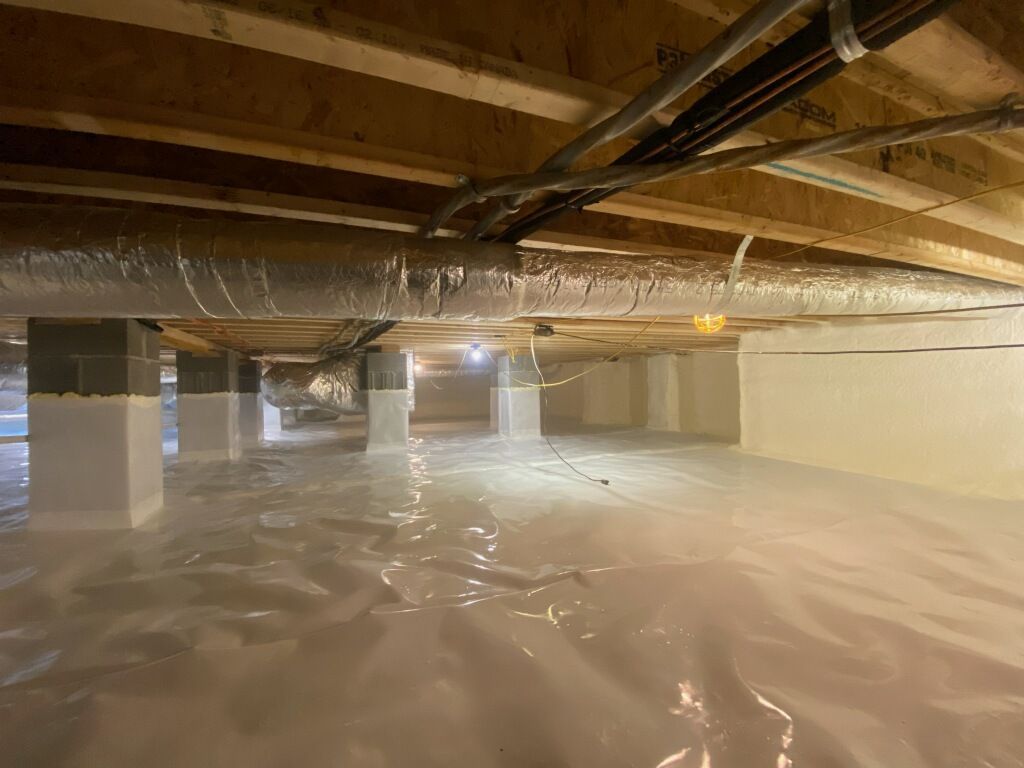
They're not. Open-cell foam is lighter, more affordable, and works well for attic roof decks and interior walls where moisture resistance isn't the primary concern. Closed-cell foam is denser, acts as a vapor barrier, and is the only option rated for below-grade applications like crawl spaces and foundations. Using open-cell in a crawl space is a mistake we see from inexperienced installers — it absorbs water instead of blocking it. At Foametix, we spec the right foam for each application, not the cheapest one across the board.
Myth: Spray Foam Traps Moisture and Causes Mold
Truth:
This is backwards. Spray foam — specifically closed-cell — is the best moisture barrier available for insulation. It doesn't absorb water and doesn't provide a food source for mold. The homes we see with mold problems almost always have fiberglass insulation in humid crawl spaces, where the fiberglass absorbs moisture from the air and holds it against the wood framing. That's the recipe for mold growth. Spray foam eliminates that cycle entirely. In Chattanooga's humid climate, this is especially important — our summers push 90%+ relative humidity, and any insulation that absorbs moisture becomes a liability.
Myth: You Can DIY Spray Foam Insulation
Truth:
Hardware stores sell small spray foam kits, and yes, they work for sealing small gaps around pipes or electrical penetrations. But insulating an entire attic, crawl space, or wall cavity requires commercial-grade equipment, precise temperature and pressure settings, proper ventilation during application, and knowledge of building science (vapor barrier placement, ventilation requirements, fire code compliance). DIY spray foam installations are the #1 source of the "spray foam horror stories" you read online — uneven application, off-ratio mixing, poor adhesion, and health exposure during curing. Professional installation isn't just better; it's the difference between a system that performs for decades and one that fails within months.
Frequently Asked Questions About Spray Foam
Q: Does spray foam insulation truly save on energy costs?
A: Yes — and we can tell you roughly how much before we install it. A typical Chattanooga home with uninsulated or poorly insulated attic and crawl space spends $200-350/month on heating and cooling. After a full spray foam installation, most homeowners see that drop by 30-50%, depending on the starting condition. The savings are largest in homes built before 2000 with original fiberglass insulation.
Q: How long does spray foam insulation last?
A: The material itself doesn't degrade — it doesn't settle, compress, absorb moisture, or lose R-value over time the way fiberglass and cellulose do. Barring physical damage (like a renovation that cuts through it), spray foam installed today will still be performing at full capacity in 30, 40, 50 years. That's why we call it a lifetime installation.
Q: Is spray foam insulation safe for my family?
A: After proper curing (24-48 hours), spray foam is chemically inert and poses no health risks. During installation, the space needs to be vacated and ventilated — which is standard for any professional install. The safety concerns you hear about come almost exclusively from DIY installations where the foam wasn't mixed at the right ratio or the space wasn't ventilated during curing. With a professional crew like Foametix, this isn't a factor.
What Chattanooga Homeowners Should Know
Chattanooga sits in a climate zone where both heating and cooling costs matter. Our summers push sustained 90°+ temperatures with high humidity, and our winters drop into the 20s and 30s regularly. This means your insulation has to perform year-round — blocking heat gain in summer and heat loss in winter while managing the moisture that comes with living in the Tennessee Valley.
Most Chattanooga homes built before 2010 have R-13 to R-19 fiberglass in the attic (if they have any at all) and either vented crawl spaces or no crawl space insulation whatsoever. Spray foam addresses both problems simultaneously: it provides R-values of R-19 to R-38 depending on thickness, and it seals the air leaks that fiberglass can't touch.
If your power bills are over $200/month, your upstairs rooms are always warmer than downstairs, or your crawl space smells musty — those are signs your current insulation isn't doing its job. A free evaluation takes 30-45 minutes and gives you specific numbers on what's happening and what it would cost to fix.
Not sure if you're in our service area? Give us a shout!
View more FAQ's
How can you get the most from your Foametix Service?
- Always choose certified professionals. We guarantee exceptional, reliable application from our installers, every time.
- Avoid DIY or amateur installation. Professional installation gives you all the benefits and keeps you and your family safe.
- Insist on comprehensive warranties. We back our work with documentation and a 100% satisfaction guarantee.
- Why Foametix Is Your Best Choice
At Foametix, we eliminate homeowners' guesswork and uncertainty. With top-tier products and expert employees, your project will be in the right hands. We deliver unmatched comfort, savings, and peace of mind. Foametix is committed to helping homeowners make smart, long-term energy decisions.
Ready to make the smartest insulation decision for your home?
Connect with us today and discover why spray foam insulation isn't just a good idea—it's the best choice you can make!