What each one actually does in a Chattanooga house — and where fiberglass quietly stops working.
This is the question we get asked more than any other. The short answer is that the two don’t do the same job — and the difference shows up in exactly the places Chattanooga houses have trouble.
They don’t fail the same way
Fiberglass works by trapping air in tiny pockets. That works fine — as long as the air isn’t moving. The moment air moves through or around fiberglass, it stops insulating. That’s why a batt that looks perfectly fine can be doing almost nothing: a gap at the edge, a wiring hole nobody sealed, a knee wall with open space behind it, and the air goes around it rather than through it.
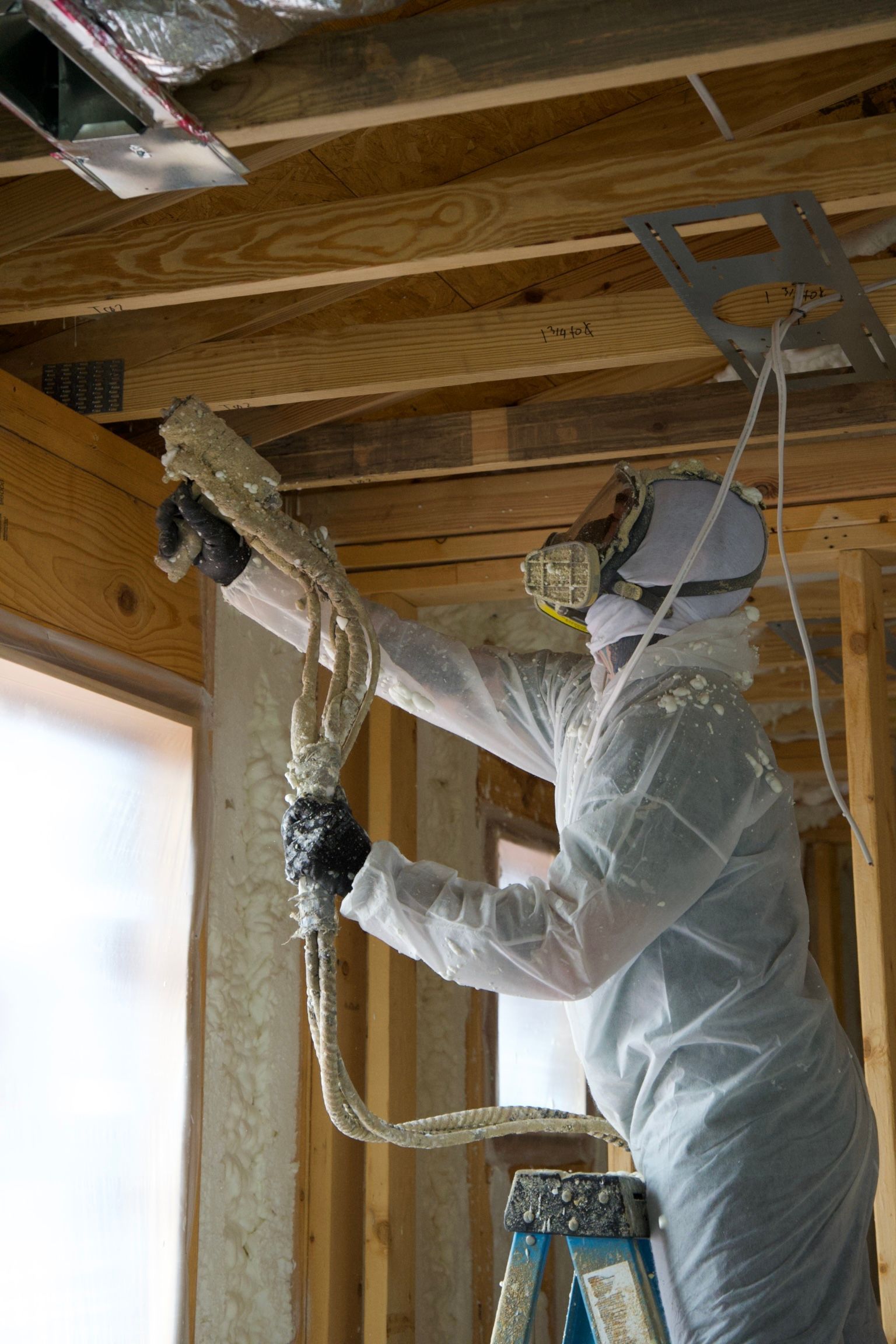
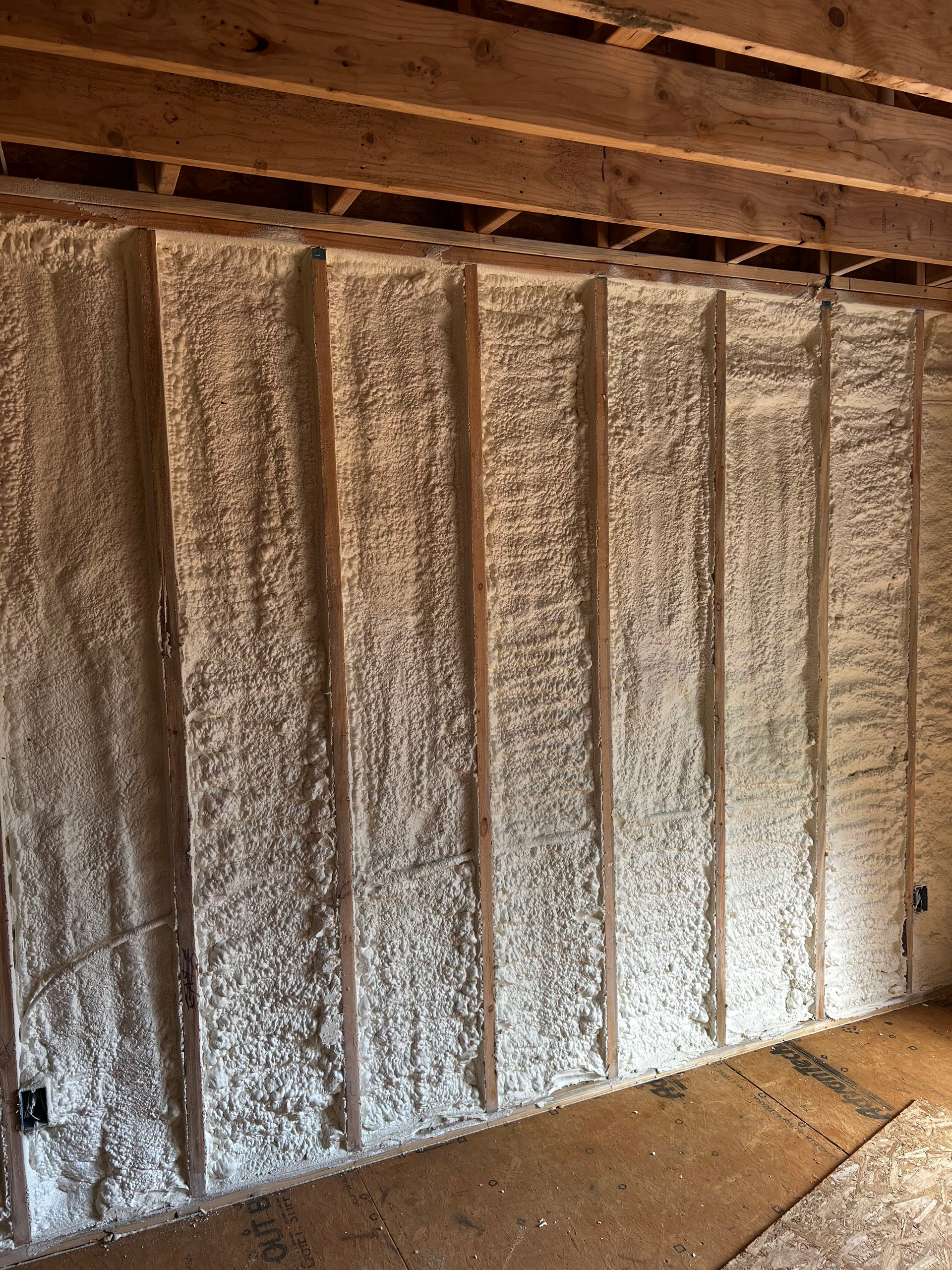
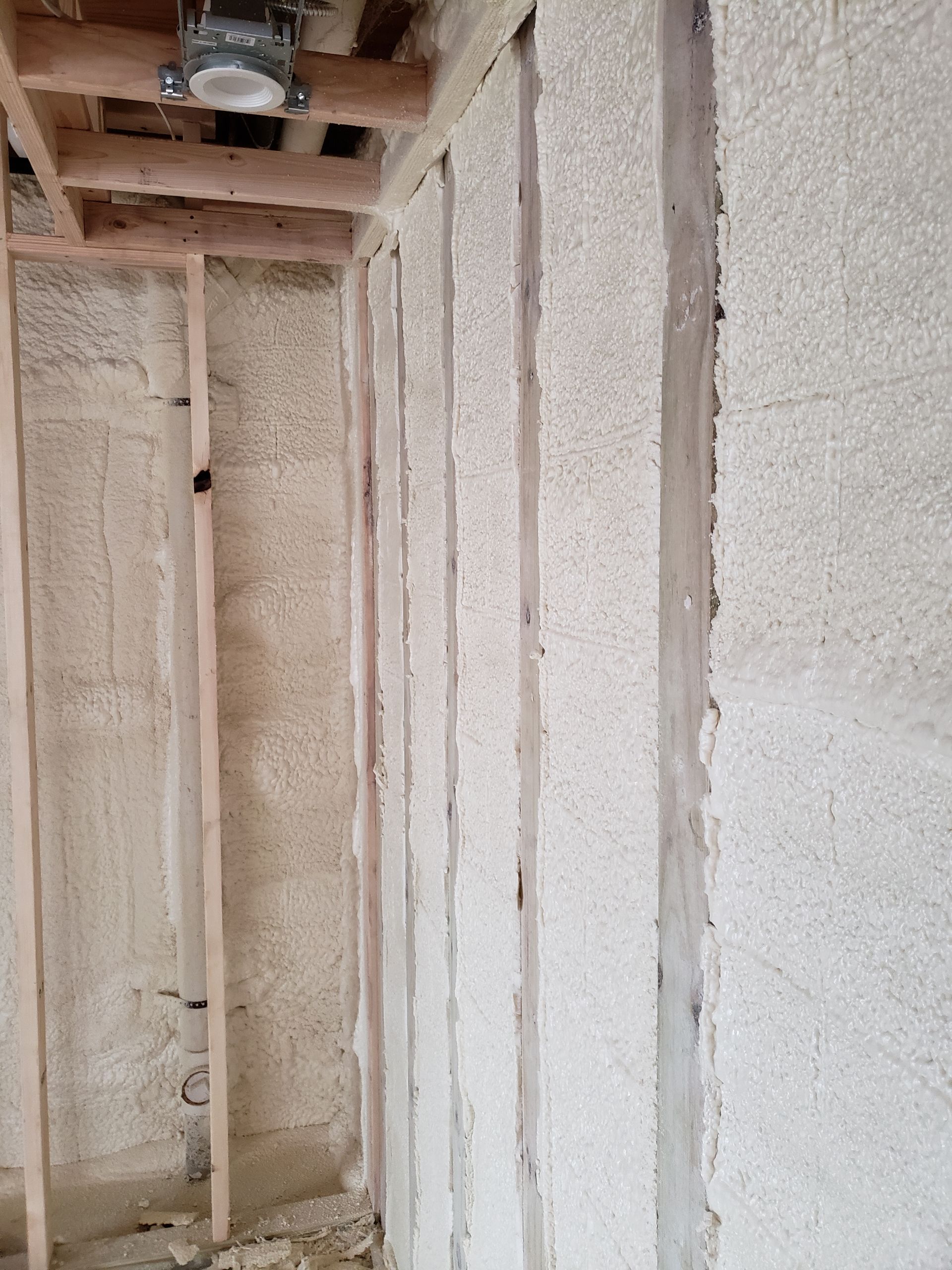
Spray foam works differently. It expands into the cavity and seals it. It’s insulation and air barrier at the same time, which is why it keeps performing in the places where batts quietly give up.
Where that difference matters most in Chattanooga
Attics and roof decks.
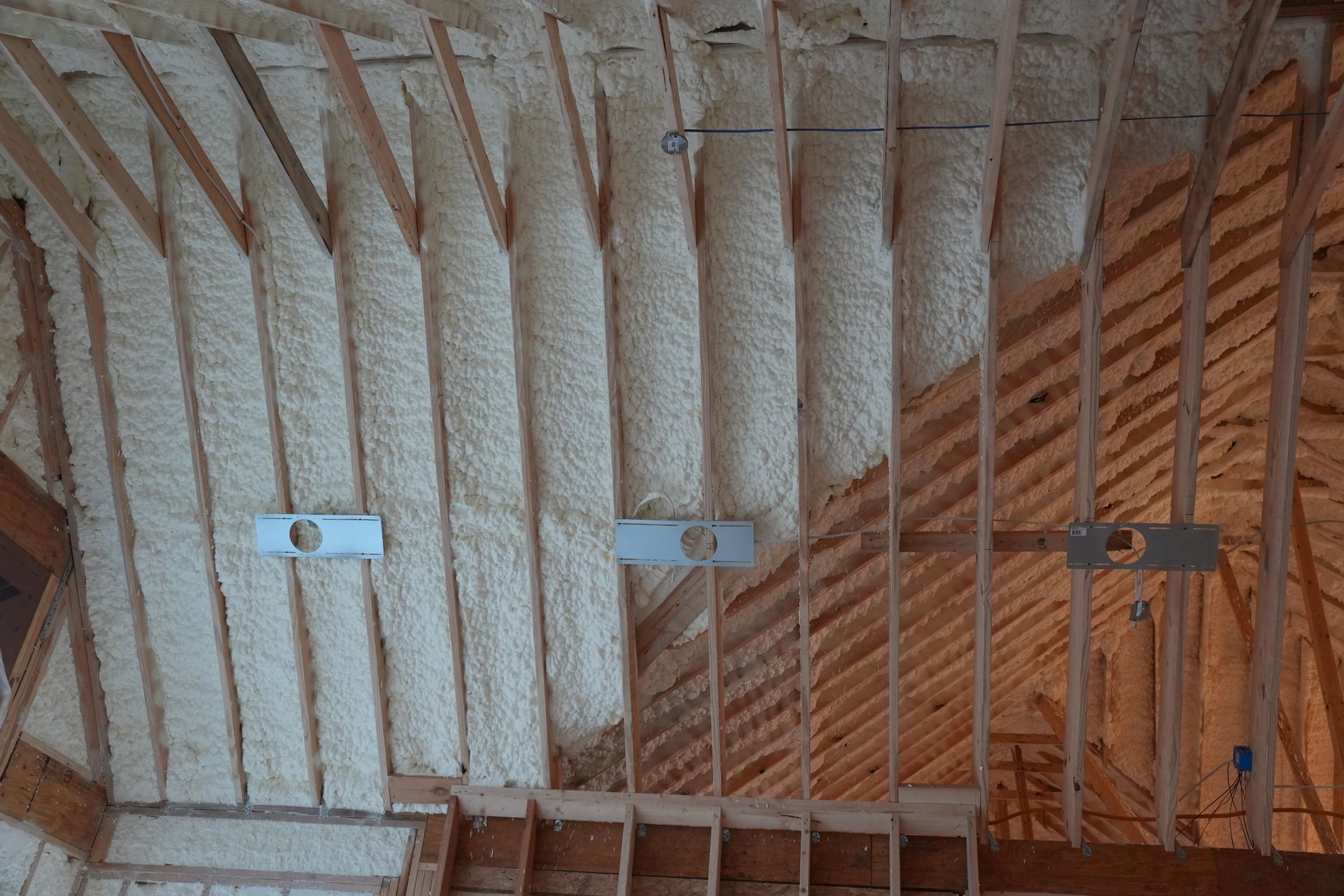
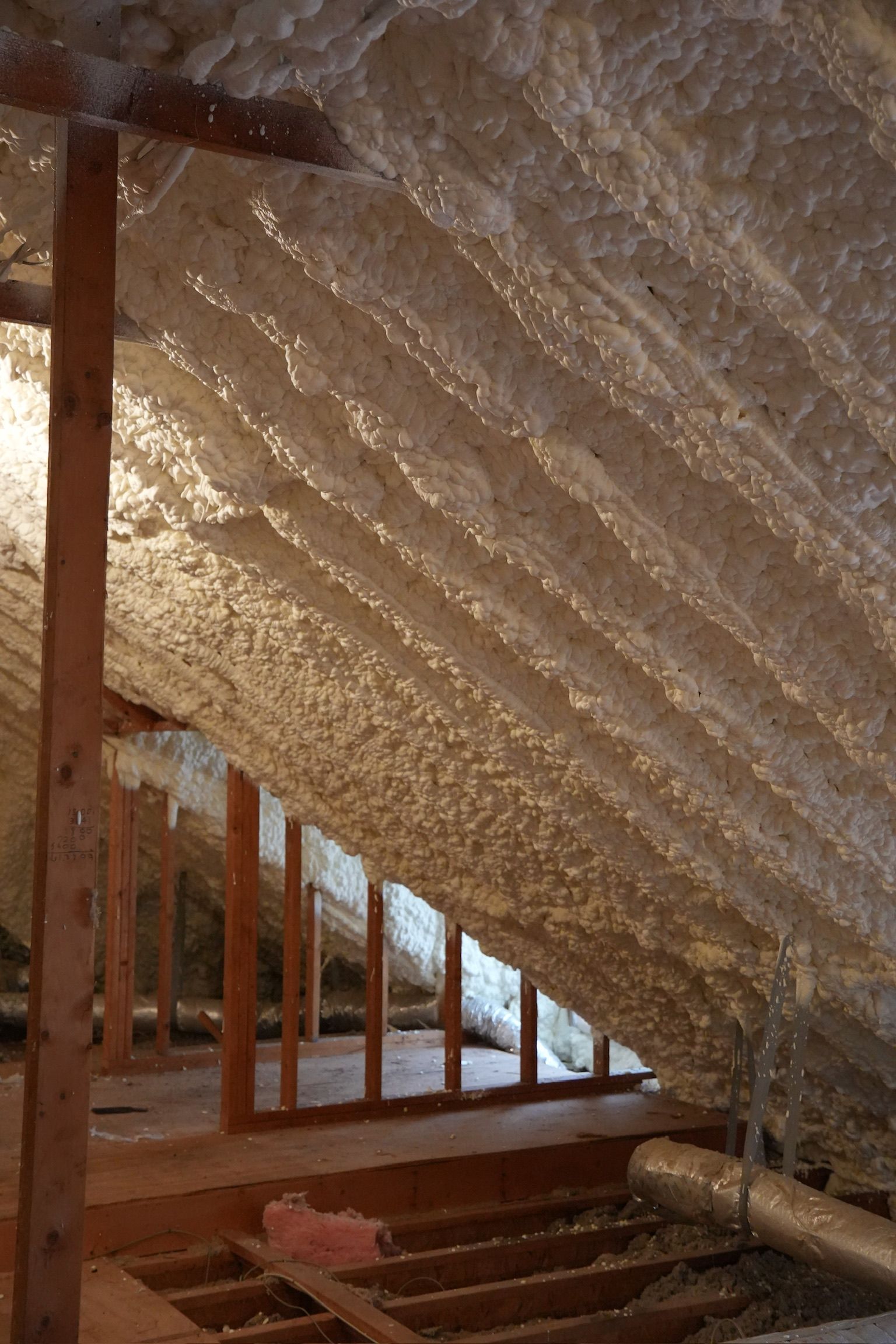
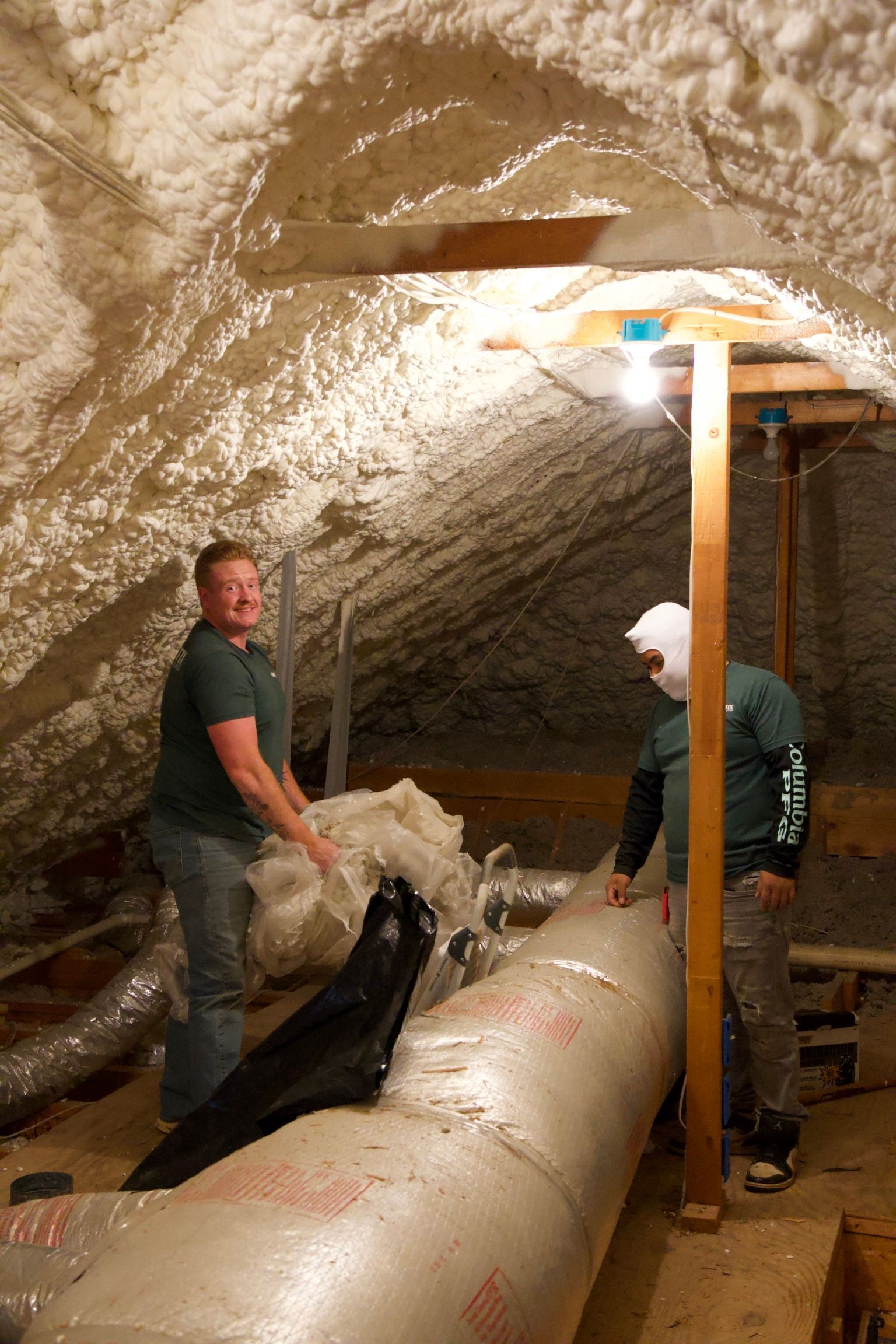
A vented attic here can hit 130 degrees in July and sit near outdoor temperature in January. Fiberglass on the attic floor doesn’t stop air moving between that attic and your house. Foam on the roof deck brings the whole attic inside the thermal envelope — which also matters if your HVAC and ductwork live up there, because they stop running in unconditioned space.
Crawl spaces.
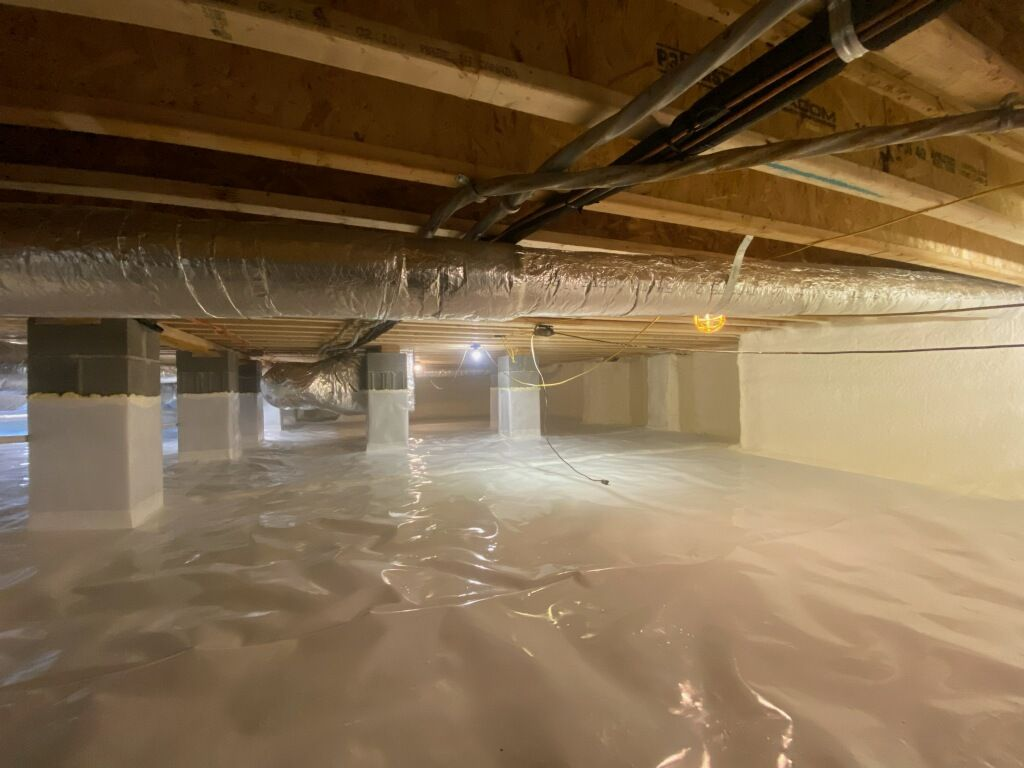
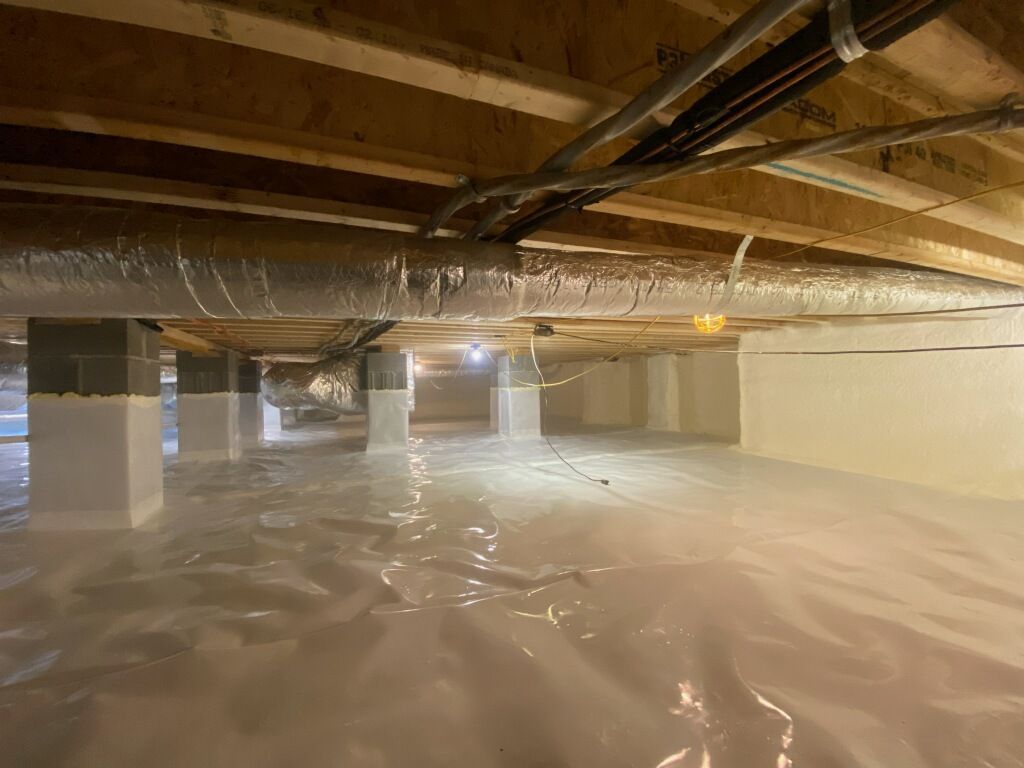
Fiberglass batts under a floor absorb moisture, get heavy, sag and eventually fall out. We find them on the ground all the time. Closed-cell foam on the walls doesn’t do that.
Metal buildings.
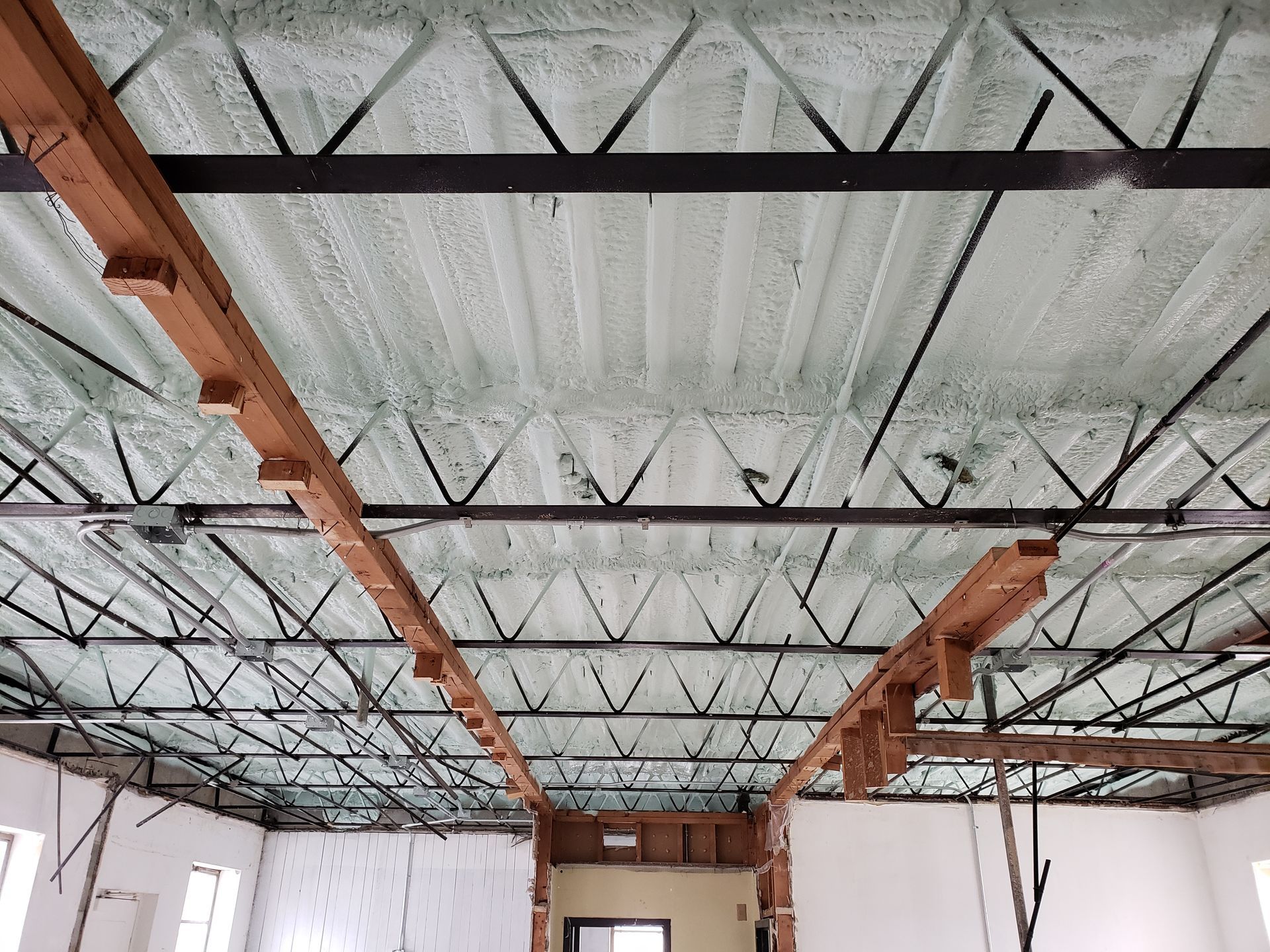
Condensation is the problem, not temperature. Fiberglass holds moisture against the steel. Closed-cell foam doesn’t.
Where fiberglass holds up
In a simple attic — flat, dry, open floor, easy access, no ductwork up there, no knee walls, no bonus room — fiberglass does an acceptable job, and a house like that may not need us at all. If that’s what we find, we’ll tell you.
The catch is that most houses here aren’t that house. Knee walls, bonus rooms over garages, floor bays open to the attic, rim joists, crawl spaces, ductwork running through unconditioned air — that’s normal construction in Chattanooga, and it’s exactly where fiberglass stops working.
The cost question
Foam costs more up front. There’s no way around that and we won’t pretend otherwise. Whether it pays back depends on what your house is doing now, how long you plan to be in it, and how bad the problem is. A house with a comfortable upstairs and reasonable bills doesn’t need us. A house with a room nobody can use is a different conversation.
How to find out what your house needs
Have somebody actually look. Free on-site evaluation
anywhere in Chattanooga and 100 miles out — we go in the attic or under the house, tell you what we see, and you get a written price before anybody touches anything.
We’re a spray foam company. We don’t install fiberglass
— and we’re not going to tell you that you need foam if you don’t. If what you’ve got is doing its job, we’ll say so and leave.
Veteran-owned. Our own crews, never subcontractors, 17 years in Chattanooga.
Call 423-710-2529