Most people call us about adding insulation. A fair number of those calls turn into a different conversation, because what is already up there has to come out first.
That is not an upsell. Removal is dirty, slow work and we would skip it if we could. But insulation is only doing its job if it is dry, intact, and sitting where it was installed. When it is not, burying it under new material just hides the problem.
Here is what actually makes the difference.
1. Rodents have been living in it
This is the most common reason, and the one homeowners are most surprised by.
Mice and rats do not just pass through attic insulation — they tunnel it, nest in it, and use it as a bathroom for however long they have been up there. Blown-in cellulose and fiberglass batts both hold onto that. You cannot clean it out. The contamination is distributed through the material.
Two things follow from that. The insulation has lost most of its R-value where it has been compressed and tunneled. And the attic is connected to the air you breathe — in most Chattanooga houses, the
stack effect pulls air up out of the living space and draws replacement air in, which means attic air does not stay in the attic.
If you have heard scratching overhead, found droppings, or had a pest company trap animals recently, the insulation they were living in is part of the cleanup. We handle the
removal and disposal side. We do not trap animals — get a wildlife or pest company to finish that first, because putting new insulation in before the entry points are sealed means doing this twice.
One safety note: if you are thinking about going up there yourself, do not sweep or vacuum dry droppings with a shop vac. That aerosolizes exactly what you do not want to breathe. The CDC publishes cleanup guidance for rodent-contaminated spaces and it is worth reading before anybody goes in an attic. Our crews use sealed vacuum systems and protective equipment because of this.
2. It is wet, or it has been
Insulation that has been rained on through a roof leak does not recover. Fiberglass mats down and stays compressed. Cellulose holds water, slumps, and in our humidity it stays damp long enough to grow something.
The tell is usually staining on the attic floor or the ceiling drywall below, or a section that looks flattened compared to everything around it. Sometimes you smell it before you see it.
The leak gets fixed first. Insulation goes back after, not before.
3. It has grown mold
Related but not identical. Mold needs moisture, and an attic gets it from two directions — a leak from above, or warm humid indoor air hitting a cold surface from below. The second one is sneakier and more common here, and it usually points at an air sealing problem rather than a roof problem.
We will tell you what we see and we will remove contaminated material. We are insulation contractors, not a remediation company — if the growth is extensive, you want somebody whose actual job that is to assess it, and we will say so rather than pretend otherwise.
4. It has settled past the point of usefulness
Blown-in insulation settles. That is normal and the manufacturers account for it. What is not normal is twenty-year-old cellulose that has compacted to half its installed depth, or batts that have been walked on, pushed aside for every HVAC and electrical job since the house was built, and now cover maybe two-thirds of the attic floor.
Depth is not the whole story — compressed insulation loses R-value disproportionately, because the trapped air is what was insulating in the first place. If yours is matted flat, the number on the bag it came from stopped being true a long time ago.
When we tell you to leave it
If the existing insulation is dry, loose, evenly distributed, and free of contamination, and your attic floor is flat with decent access — there is a reasonable argument for leaving it and working around it. Removal costs money and generates a dumpster of waste. We are not going to manufacture a reason.
A house like that may not need us at all, and if that is what we find in your attic, we will tell you and leave. We would rather be the company that said so.
What removal actually involves
Walk-through first, so you know what is up there before anybody commits to anything. We photograph it, because most people have never seen their own attic.
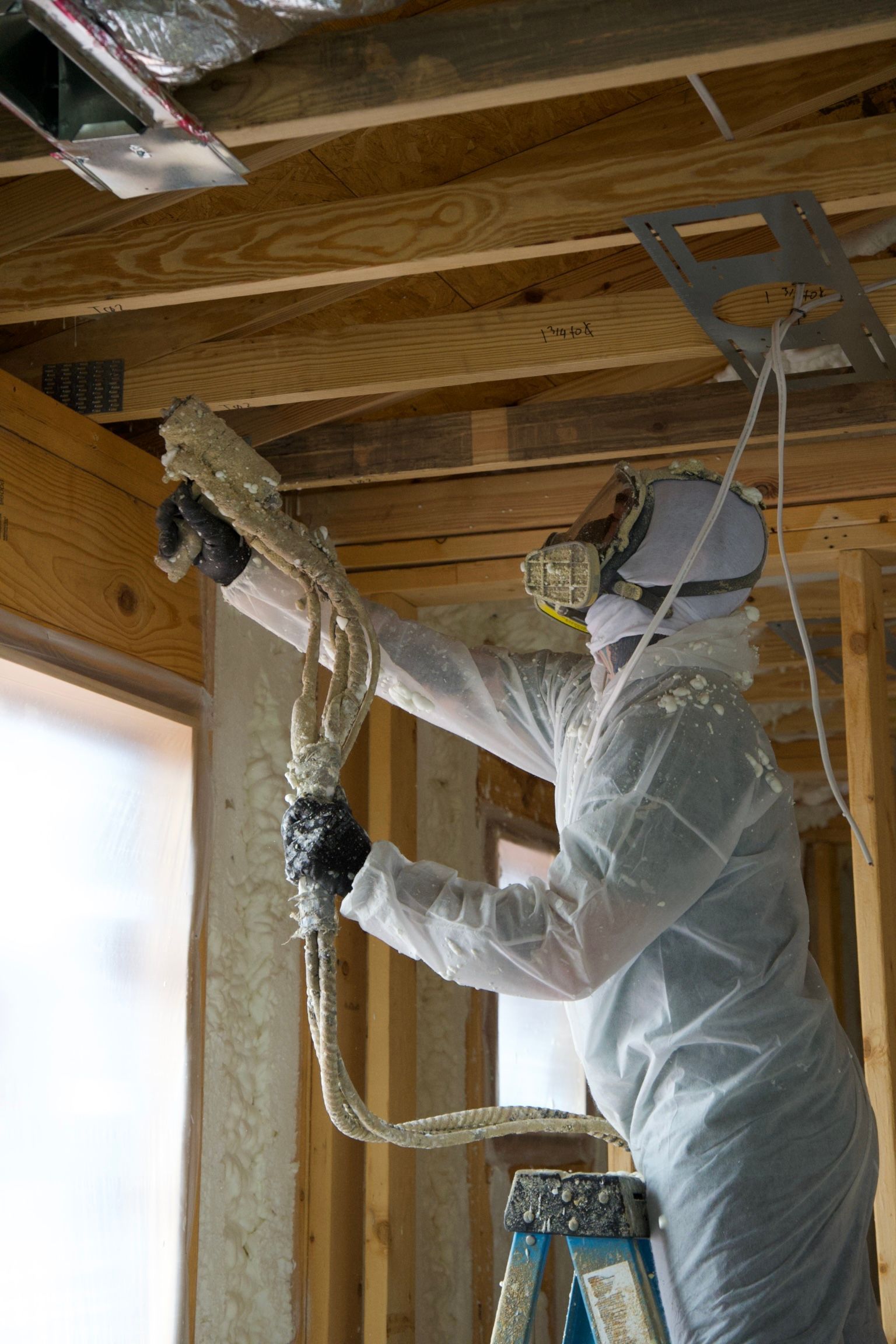
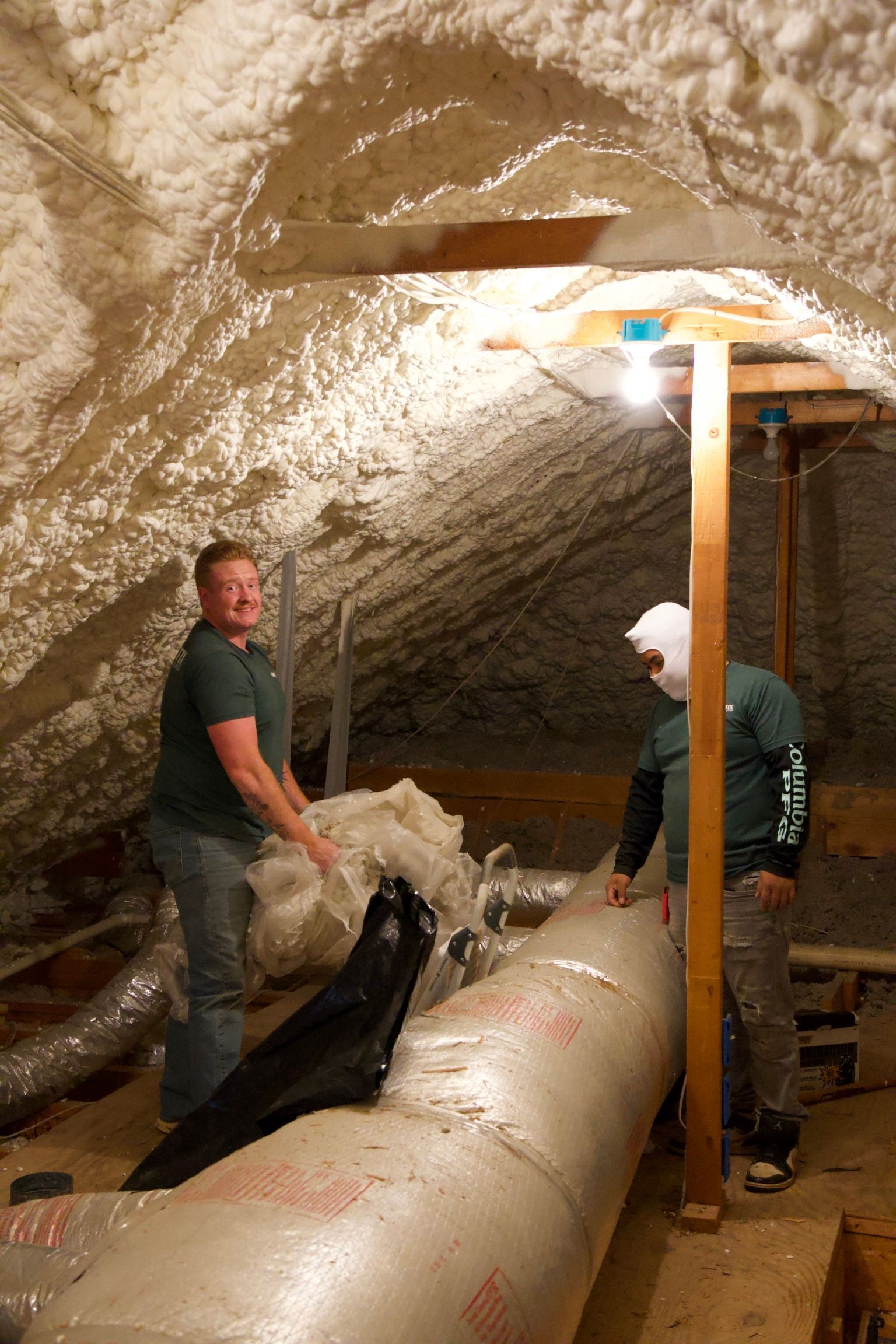
Then containment at the access point, sealed vacuum removal into bags, and disposal. Crews wear respirators and suits — this is genuinely nasty work and the equipment is not optional. We clean the attic floor and the framing, and we seal rodent entry points if that is part of the scope.
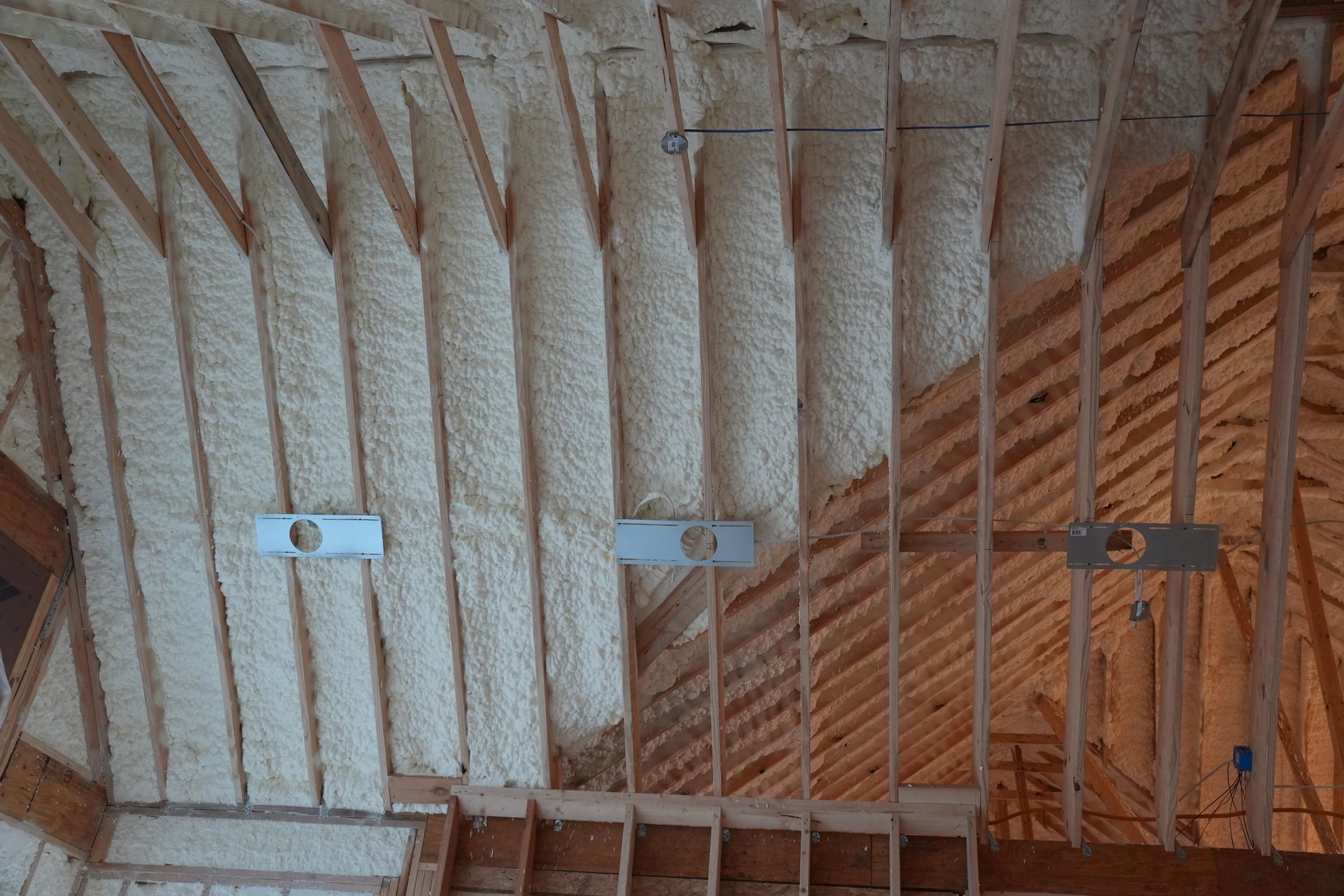
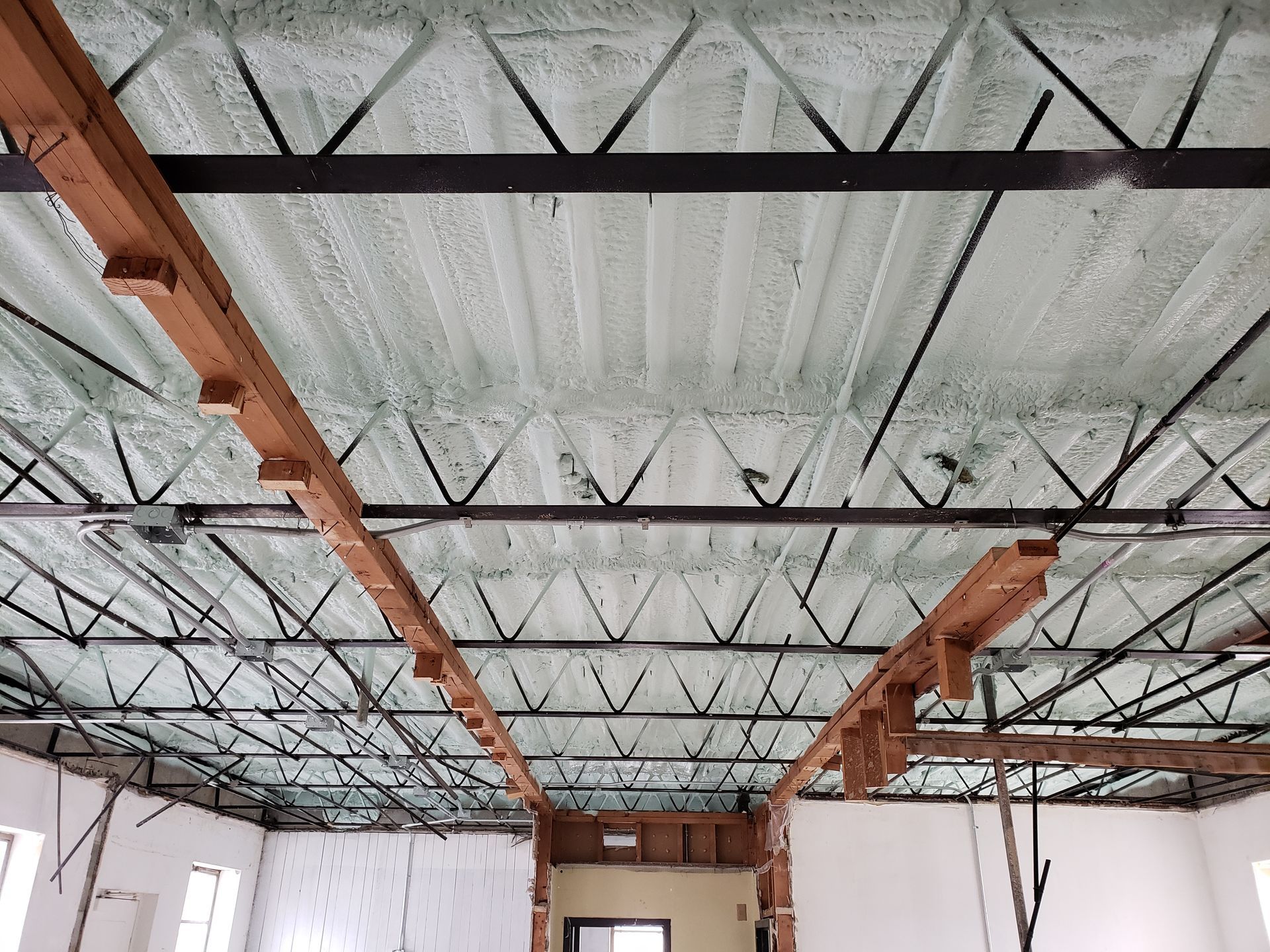
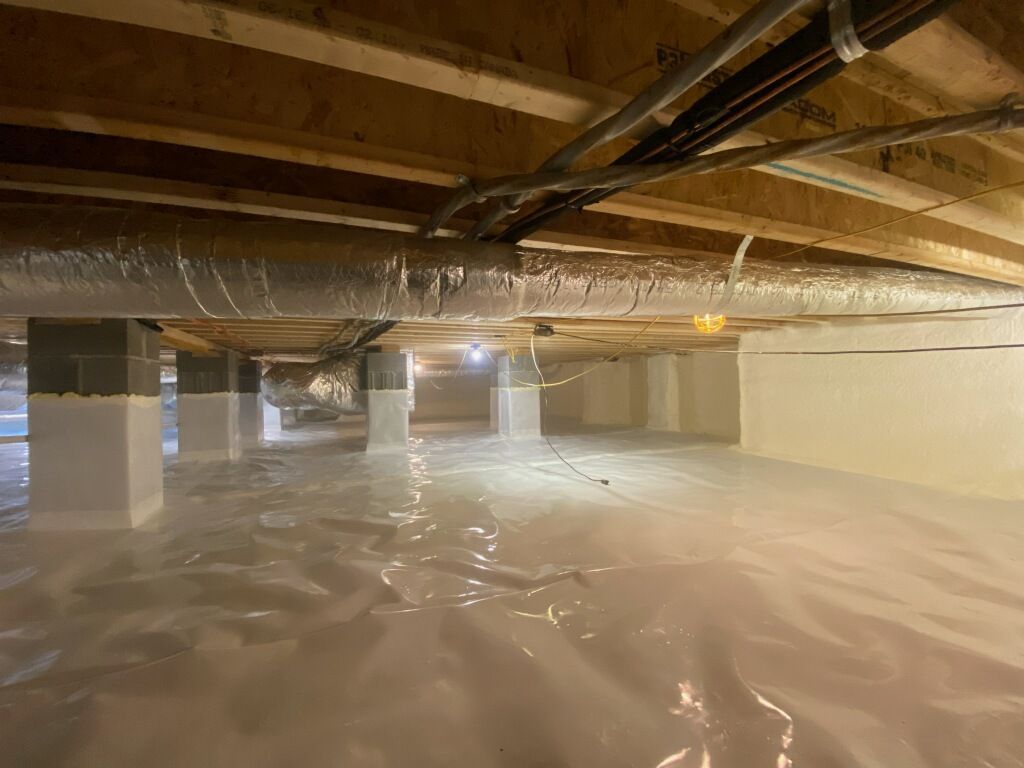
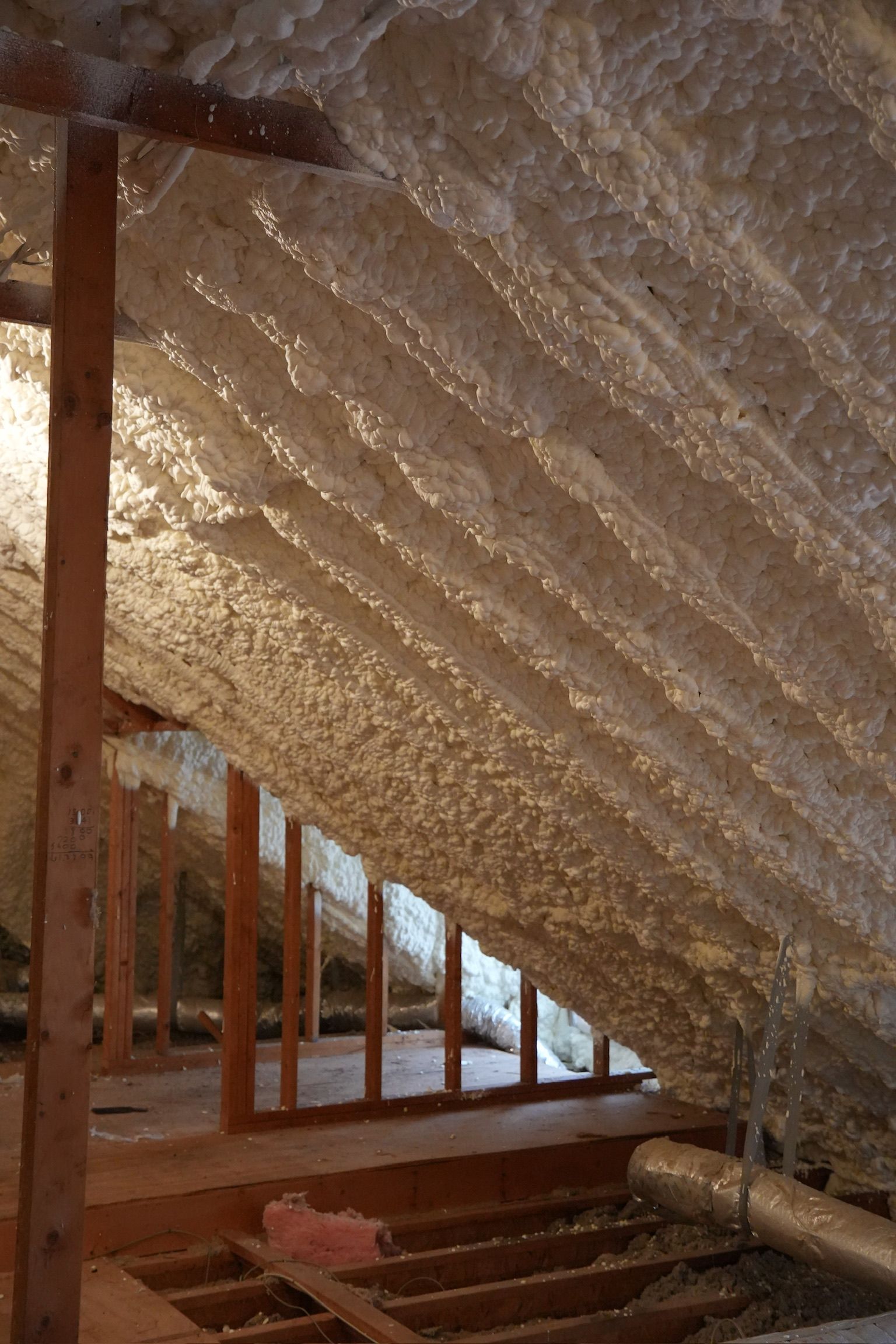
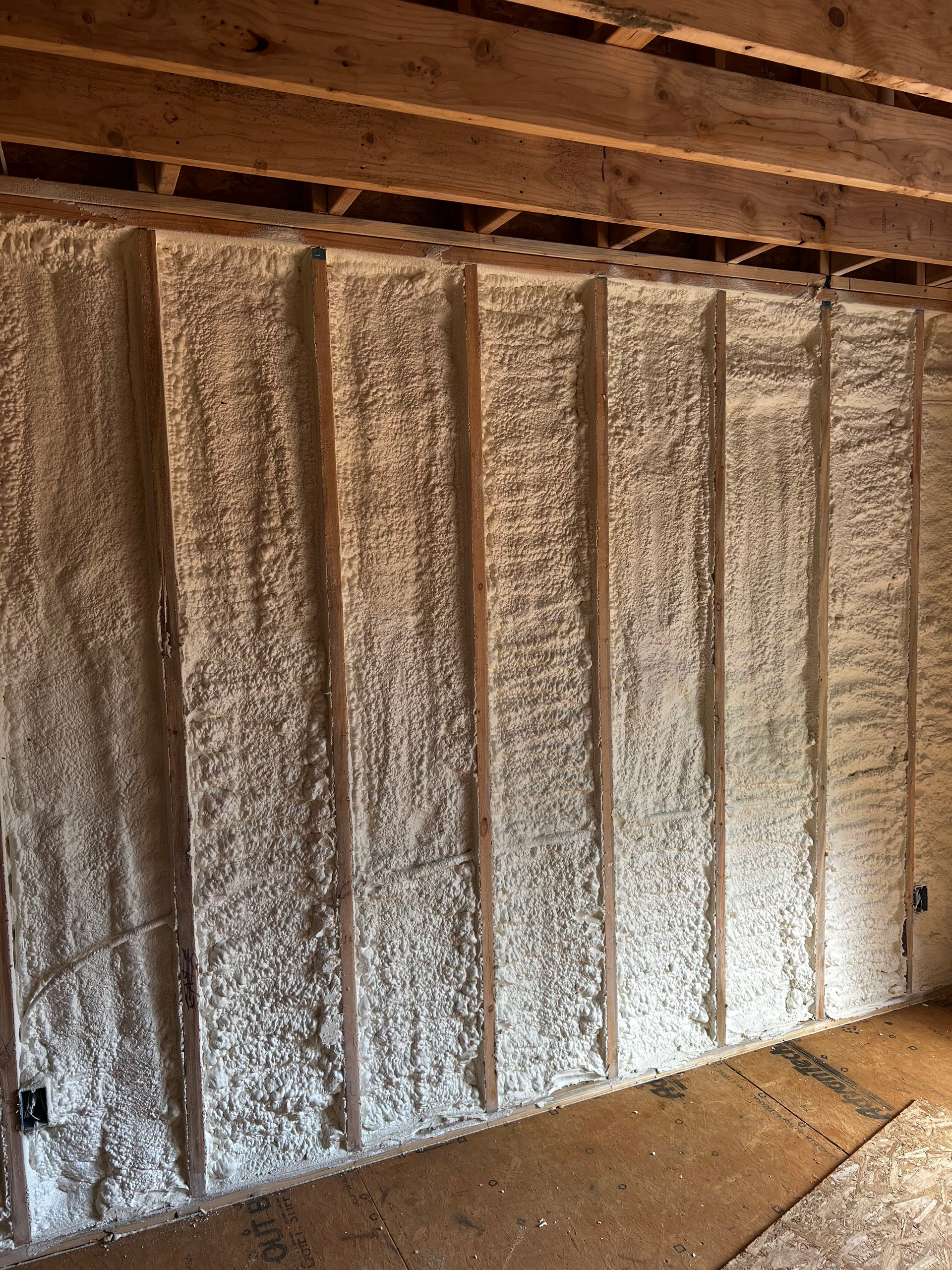
Then — and only then — the new assembly goes in. For most Chattanooga houses that means
foam on the roof deck rather than material on the attic floor, which brings the whole attic inside your thermal envelope and takes the ductwork up there out of unconditioned air. That is a longer conversation and it is covered in
our attic guide.
Where it goes afterward
Old insulation is construction waste, not curbside trash. Rodent-contaminated material has handling requirements on top of that. We haul it and dispose of it — you do not need to arrange anything, and you do not want this material sitting in bags in your driveway for a week.
Finding out what you have got
Free on-site evaluation anywhere in Chattanooga and 100 miles out. We go in the attic, photograph what is there, and tell you whether it needs to come out — including the answer where it does not. You get a written price before anybody touches anything.
Veteran-owned. Our own crews, never subcontractors, 17+ years in Chattanooga.
Call 423-710-2529