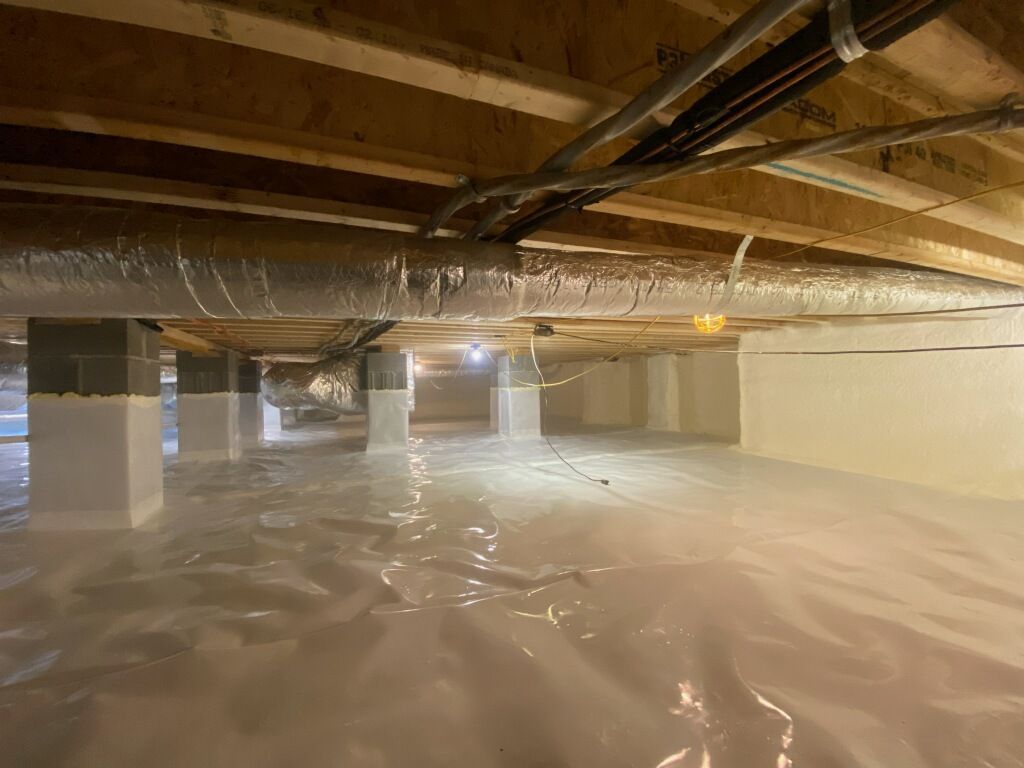
A metal shop gets used hardest when it's cold. Projects move indoors and the equipment needs work before spring. So you fire up the heater, it roars, and the building never gets comfortable. Shut it off and the heat is gone in minutes.
The heater is usually not the problem. The building is.
Why a bare metal building won't hold heat
Steel has almost no resistance to heat flow. A thin sheet of it is all that stands between the air you just heated and a 30-degree night.
Heat rises, so it collects at the roof, which is the biggest and coldest surface in the building. Your heater warms the underside of the roof, and the roof gives that heat to the sky.
Then there is the air. Wind comes in at the eaves, the ridge, the base of the walls and around every overhead door. And the purlins and girts are bolted straight to the panels, so the frame carries heat out as well.
Put those together and the building works like a radiator pointed at the yard. A bigger heater just feeds it faster.
Why it starts dripping when you heat it
Winter is the other condensation season. You are making warm air inside a building whose skin is the same temperature as the outdoors. Any moisture in that air turns to water the moment it touches the steel. On a hard freeze it shows up as frost on the underside of the roof, and then it rains inside when the sun comes up.
A lot of that moisture comes from the heater itself. Torpedo heaters and other unvented propane or kerosene heaters put their exhaust into the room, and one of the main things burning fuel makes is water vapor. A 30,000 BTU unvented gas heater puts about a third of a gallon of water into the air every hour it runs. A shop-size torpedo heater is several times that big.
The rest comes from wet vehicles and equipment, a damp slab, and the people working inside. We covered the full story in
why metal buildings sweat. The winter version is the same problem with a heater feeding it.
What makes a metal building heatable
Start with the roof. If you only do one thing, do that.
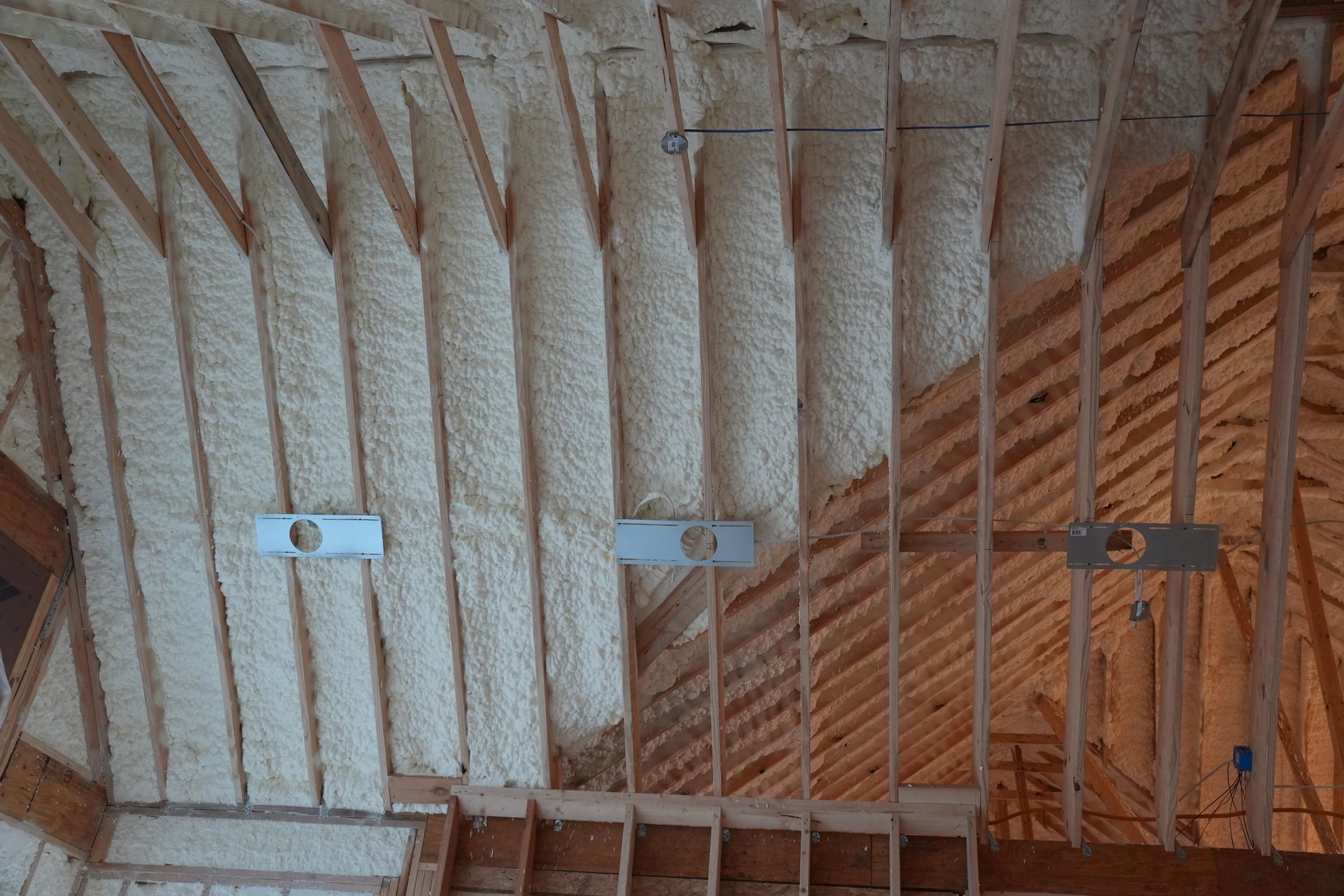
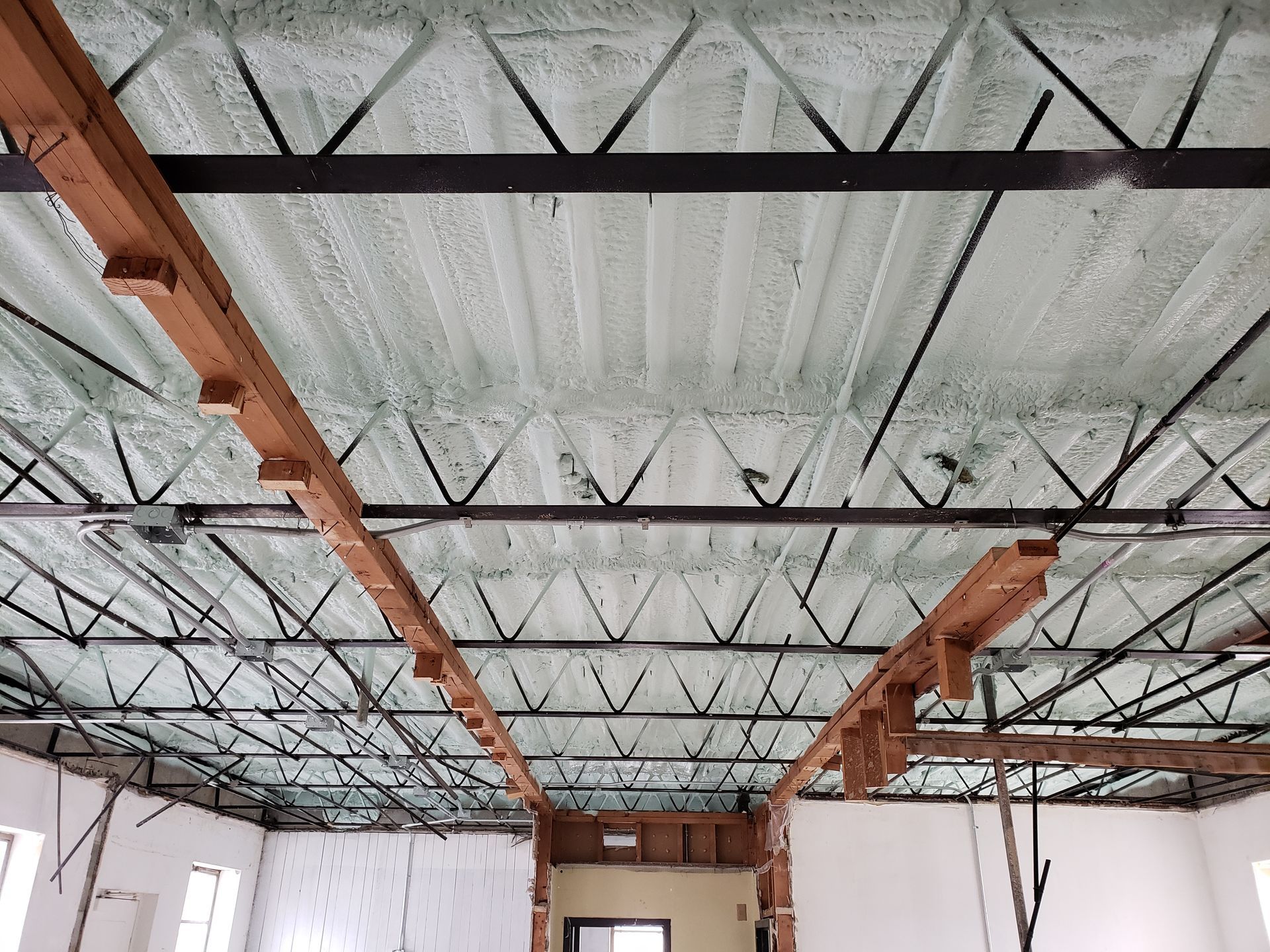
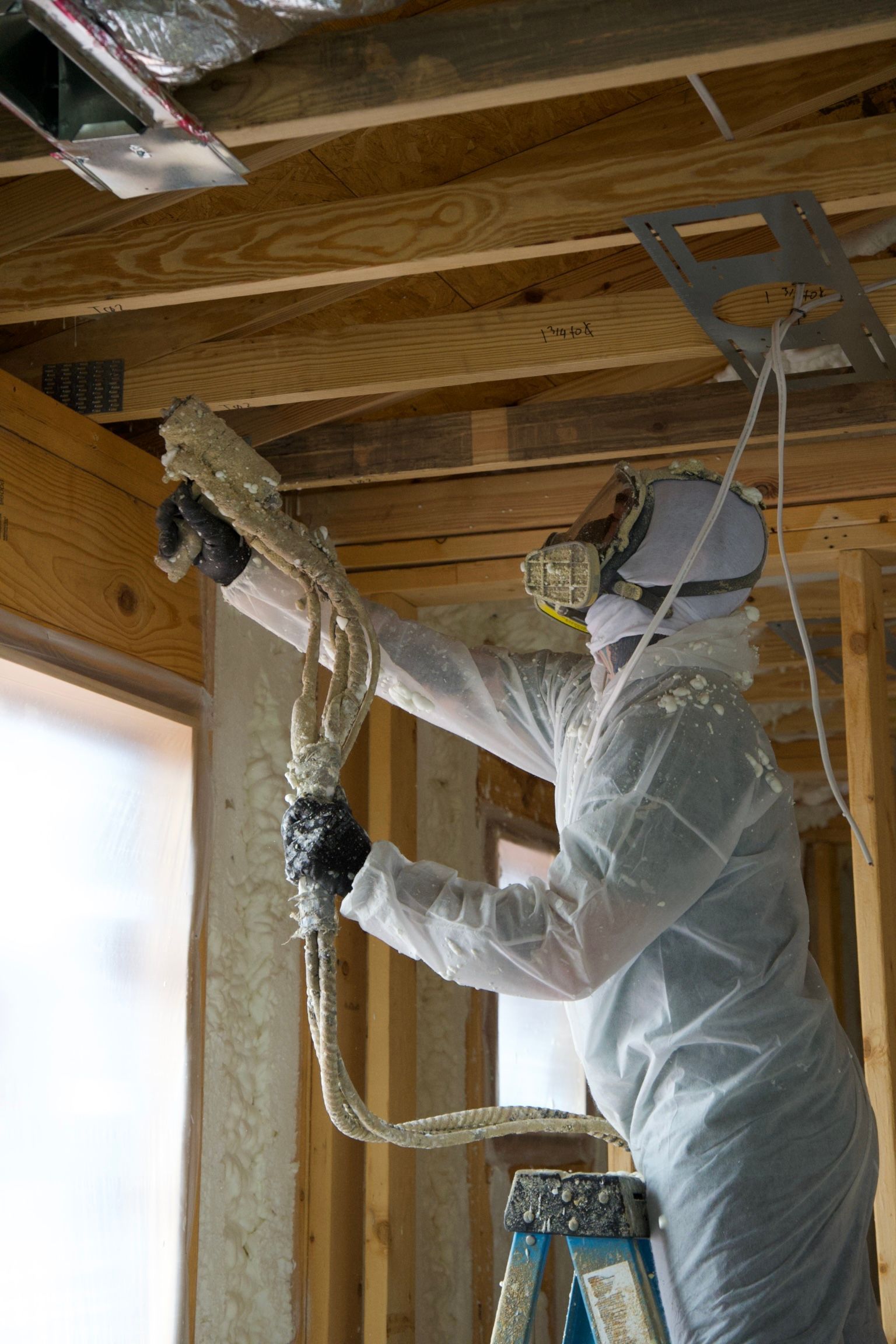
We spray closed-cell foam straight onto the underside of the roof panel, between and over the purlins. That does three jobs at once:
- It stops the heat loss where most of it happens.
- It keeps the inside surface warm, so there is no cold steel for moisture to condense on.
- It seals the air leaks at the ribs, the ridge and the eaves.
If you work in the building, the walls are next, along with sealing around the overhead doors and man doors. That is often the difference between better and comfortable.
Once the shell is insulated and sealed, the building holds its temperature after the heater cycles off, a smaller heater can keep up, and the dripping stops. On steel, closed-cell foam is almost always the right product. Here is
how open-cell and closed-cell compare.
One more thing about heaters. A foamed building is much tighter than a bare one, so it pairs best with a heater that vents its exhaust outside. That keeps the moisture and the fumes out of the air you are working in.
Can it be done on a building that's already up, in winter?
Yes to both. Most of the metal buildings we insulate are existing shops, barns and pole buildings. If there is old blanket insulation hanging from the roof,
it comes out first, and we handle the removal and disposal.
Cold weather is something we plan around. The steel has to be clean and dry for the foam to bond, so we pick our days. We insulate metal buildings all winter.
The short version
A metal shop that won't hold heat doesn't need a bigger heater. It needs the steel insulated, starting with the roof. That keeps the heat in, takes away the cold surface that makes the building drip, and lets a smaller heater do the work.
If you have a shop, barn or pole building around Chattanooga that you'd like to use this winter, we'll come look at it. The evaluation is free, and you get a written price before we touch anything. Call 423-710-2529, or tell us about the building on our
metal building quote page. You can also read more about
metal building insulation.