It's January, the heat has been on all evening, and the upstairs bedrooms still feel like a different house. The bonus room over the garage is worse. So you nudge the thermostat up, the furnace runs longer, and the rooms stay cold.
Most people blame the furnace. Most of the time the furnace is fine. The problem is above the ceiling.
Where your heat is going
Warm air rises. In a heated house it collects at the top and pushes on the ceiling, looking for a way out. It finds plenty: recessed lights, the attic hatch, bath fans, and the gaps where wires and pipes run up through the wall framing. Every one of those is a small chimney.
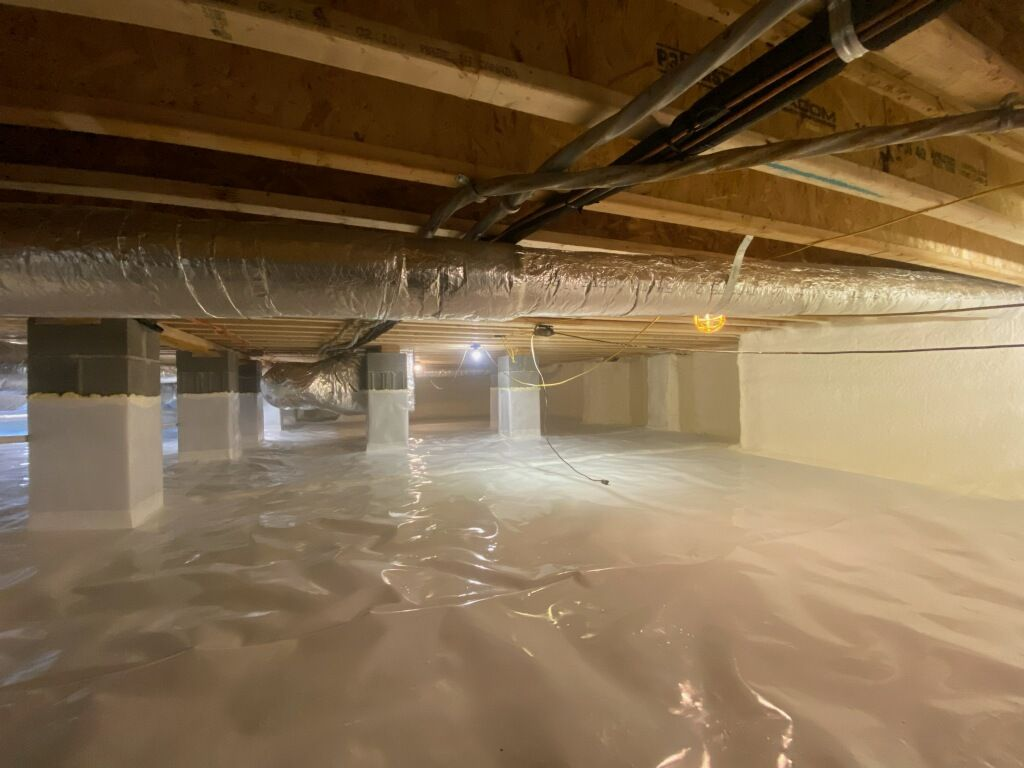
The air that leaves has to be replaced, so the house pulls cold air in at the bottom, through the
crawl space, the garage and the gaps around doors. That is the draft you feel across the floor downstairs. Builders call it the stack effect, and it runs every hour the heat is on.
Insulation lying on the attic floor slows the heat that tries to pass through it. It does very little to stop air from moving around it. So a house can have a decent-looking layer of insulation up there and still leak heat all night.
Your ducts are probably sitting in the cold
In a lot of Chattanooga homes the unit that heats the second floor is in the attic, along with every duct that feeds those bedrooms. A vented attic in winter is close to the temperature outside. On a 28-degree night, the air you just paid to heat travels through lightly insulated ductwork in a 30-degree attic before it reaches the room.
Ducts leak, too. ENERGY STAR says a typical house loses 20 to 30 percent of the air moving through its ducts to leaks, holes and loose connections. When those ducts are in the attic, that heat goes straight outside.
That is why the rooms farthest from the unit are the coldest, and why turning up the thermostat doesn't help much.
Signs the attic is the problem
- The upstairs is cold in winter and hot in summer, and the downstairs is fine.
- A bonus room over the garage never feels right in any season.
- The furnace runs most of the night and the rooms still don't catch up.
- You feel a draft near recessed lights, the attic hatch or a ceiling fan.
- Floors downstairs are cold with the heat on.
- The attic insulation is thin or matted down, or you can see the tops of the ceiling joists.
One of these alone is worth a look. Three or four together and it is almost certainly the attic.
What fixes it
More of the same insulation on the attic floor helps a little. It doesn't stop the air leaks, and it leaves the ducts out in the cold.
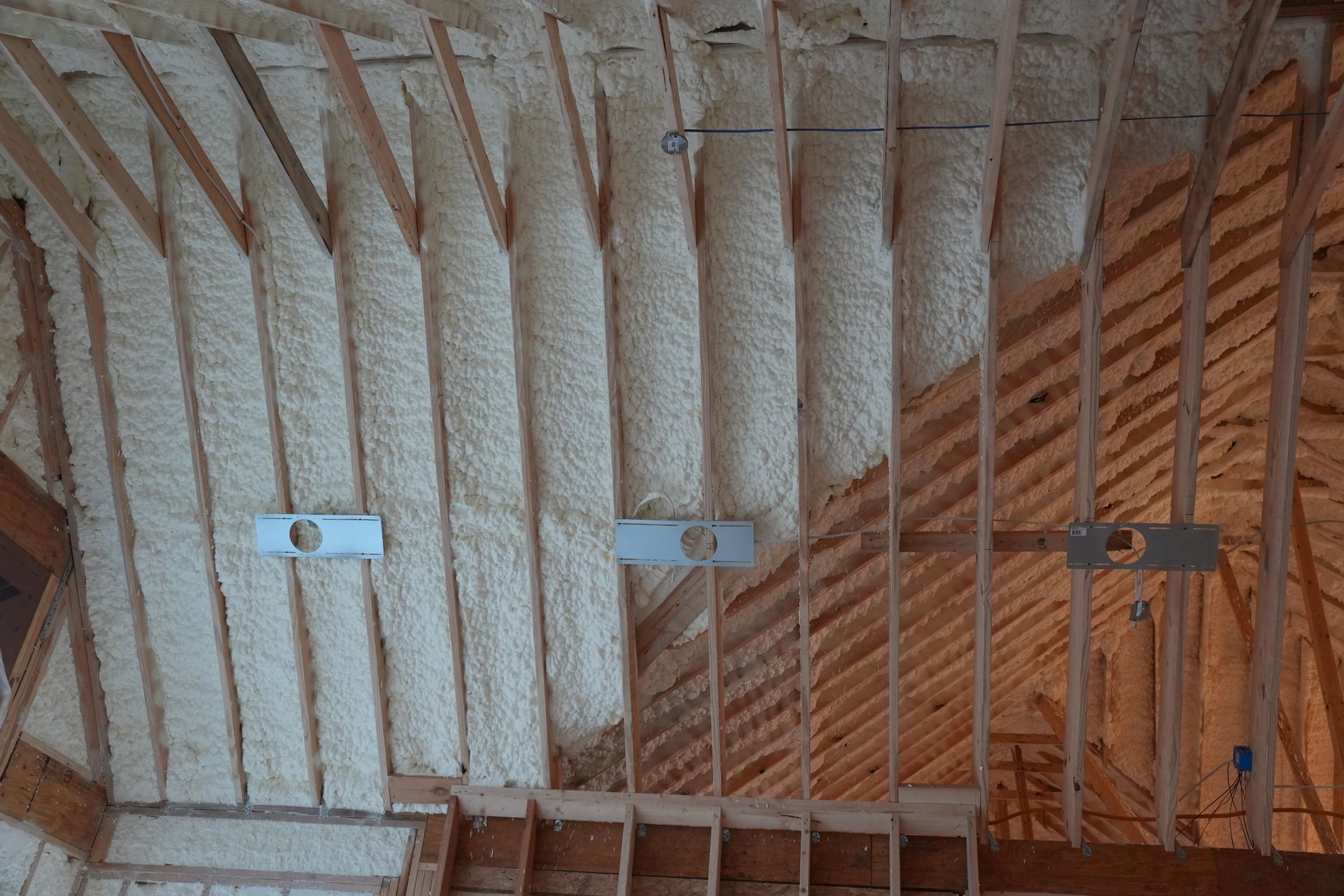
What we do in most of these houses is move the insulation from the attic floor to the underside of the roof. We
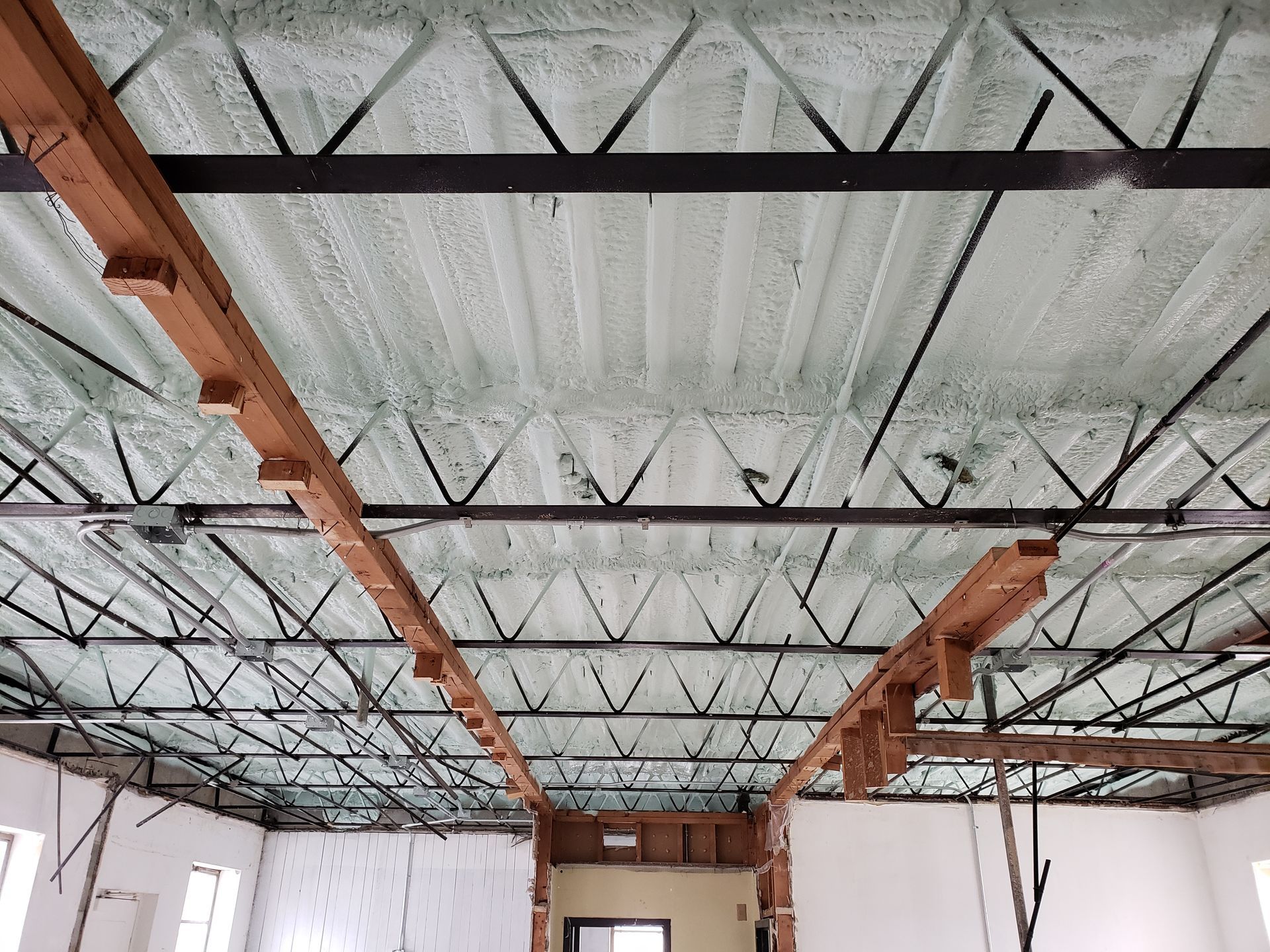
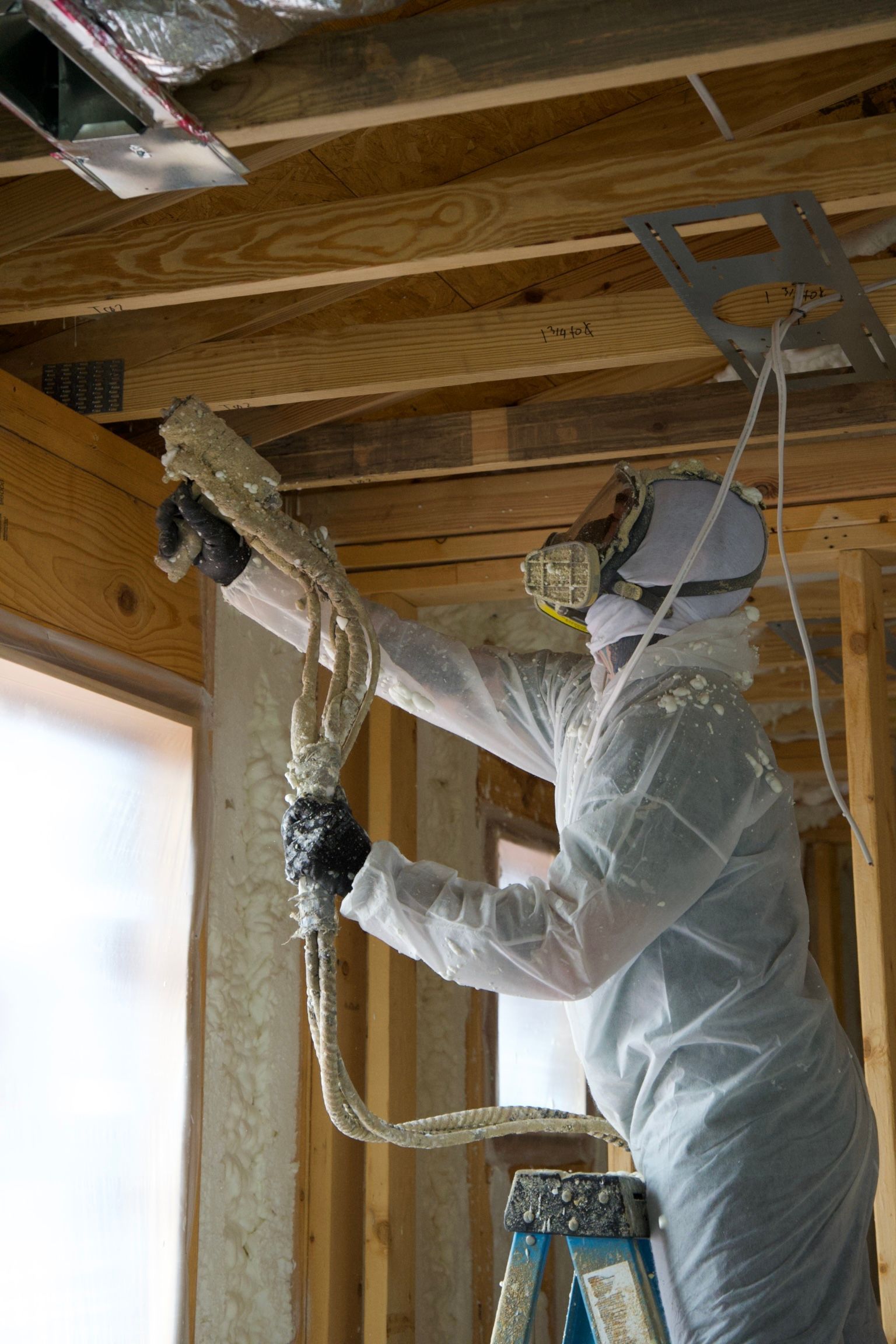
spray foam directly onto the roof deck and seal the attic. The foam insulates and air seals in one step, so the warm air that used to leak out through the ceiling has nowhere to go.
It also changes where your ducts live. Once the attic is sealed, it settles within a few degrees of the house. The ducts stop running through freezing air in January and through an oven in July. One fix covers both seasons.
Every house is a little different. Some need the old insulation taken out first and some don't. Our
attic insulation guide covers the options, and
this post explains when old insulation has to come out.
Is winter a bad time to do it?
No. We insulate attics all year, and an attic is a lot easier to work in at 40 degrees than at 130. Most single-family homes are done in one day.
You also get the benefit right away, on the next cold night, and not after one more winter of paying to heat the attic.
The short version
A cold upstairs in winter is rarely a furnace problem. Heat is leaking out through the ceiling, and the ducts that serve those rooms run through an attic as cold as the yard. Seal and insulate the attic at the roof line and both problems go away.
If your upstairs won't warm up, we'll come look at it. The evaluation is free, and you get a written price before we touch anything. Call 423-710-2529 or
request a free quote.